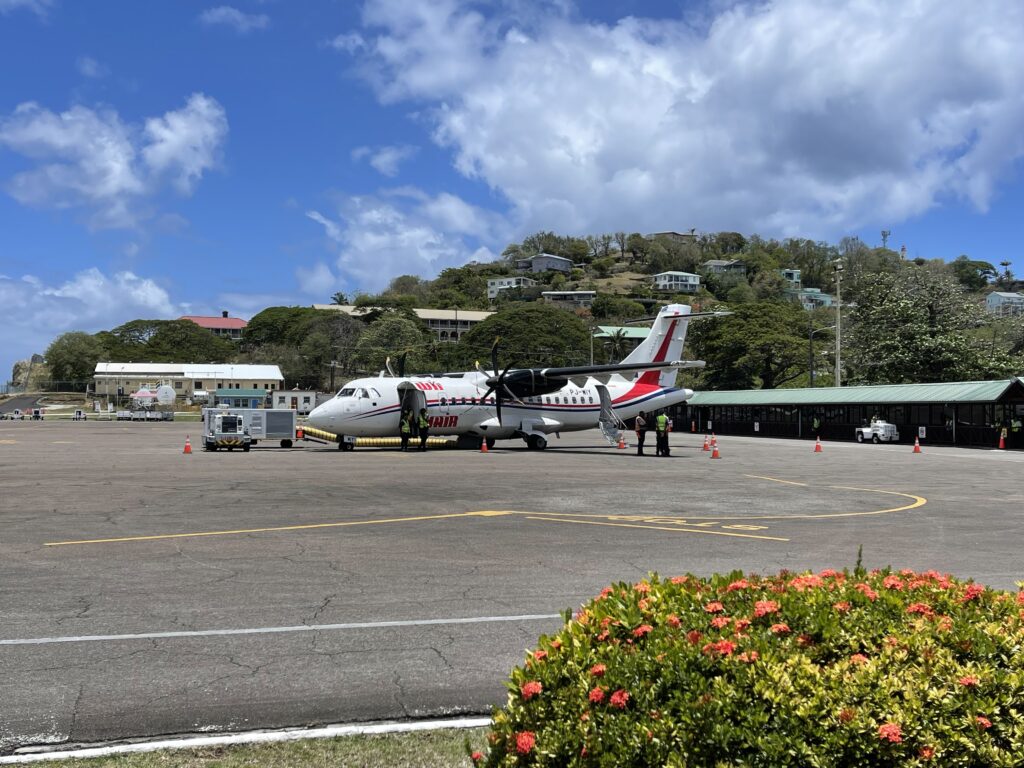
In this post, I will share some impressions from my recent trip to the Caribbean. In May 2026, I spent about two weeks in total on the islands of Martinique, Saint Lucia and Sint Maarten.
While I’ve visited North America a handful of times, I’ve never been to South or Middle America. As I wanted to visit places that I haven’t been to, but also wanted to visit friends in the US later on the same trip, I figured going to the Caribbean was a great option. Also, I have never traveled to a place that was that far south, and the hot and humid climate was something new for me.
Martinique
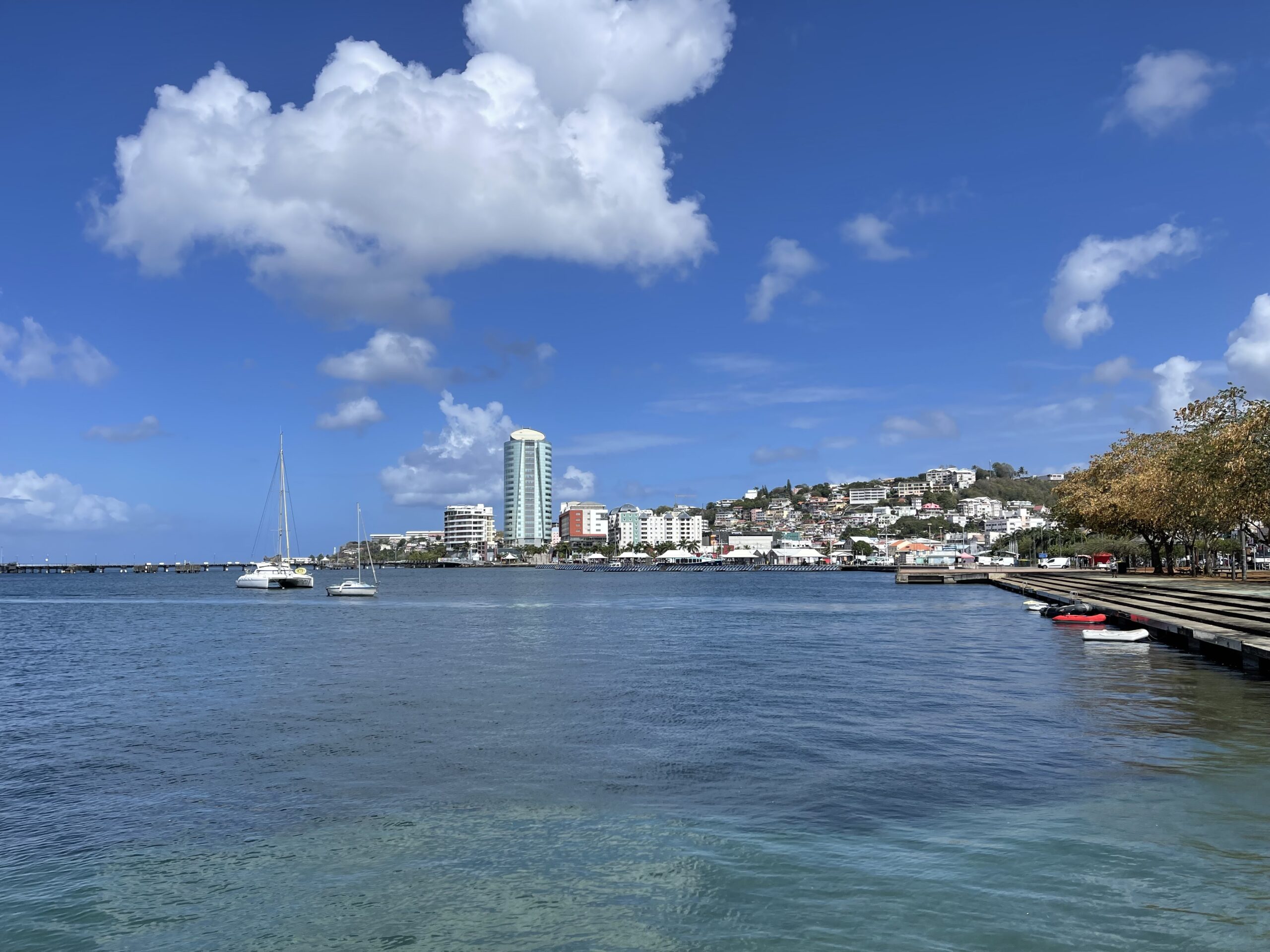
The first part of the trip started with me flying from Zurich to Martinique via Paris. After arriving at the airport on Martinique, the first challenge was to get to Fort-de-France, the islands capital. While the airport is only a few kilometers away from the city center, at about 6 pm I couldn’t find a bus connection that would go there. So I decided to look for a taxi that would take me to the small hotel room that I had booked. While doing so, I walked past a car rental agency, and after figuring out what it costs to rent a car for a few days, I decided this was the best option.
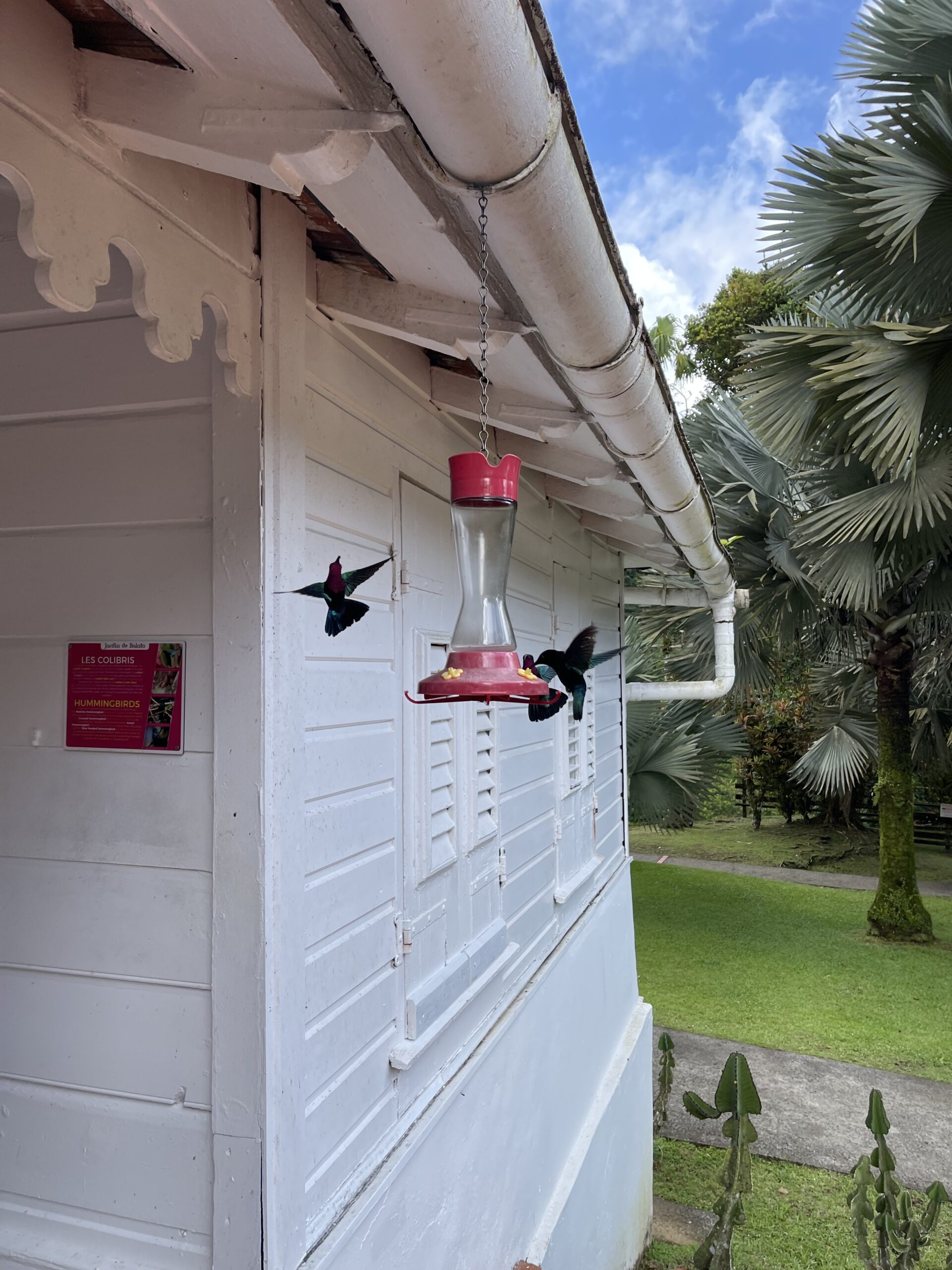
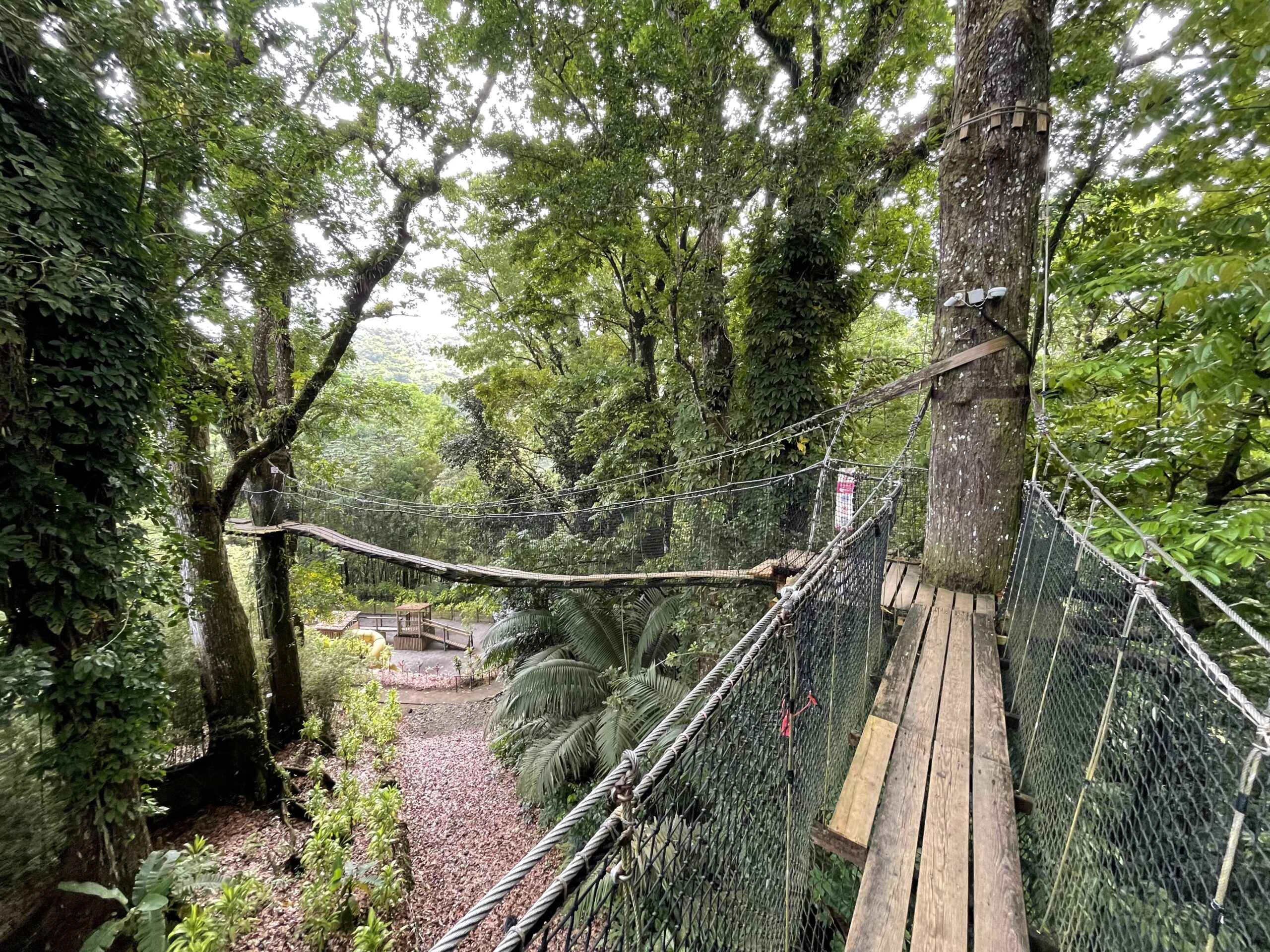
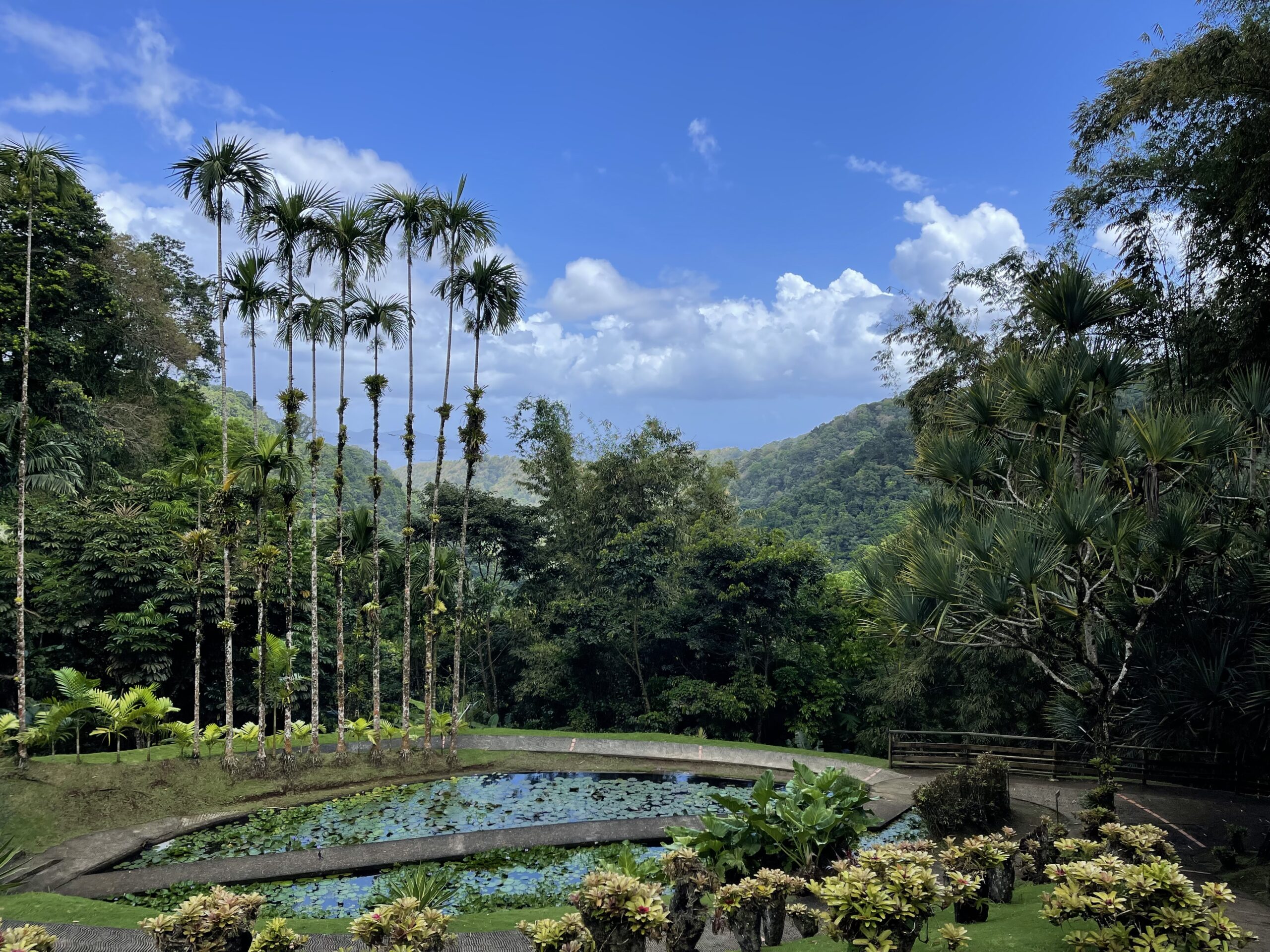
The first day in Fort-de-France I used to familiarize myself with the city that has a population of about 75’000. After walking through the streets on foot for a while, I drove my rental car to the Jardin de Balata botanical garden that is only about 10 kilometers from Fort-de-France. The garden features lots of tropical plants and trees, plus you get to see many hummingbirds, lizards and fish. The highlight for me was the “tree-top walk”, an elevated path leading from one tree to another.
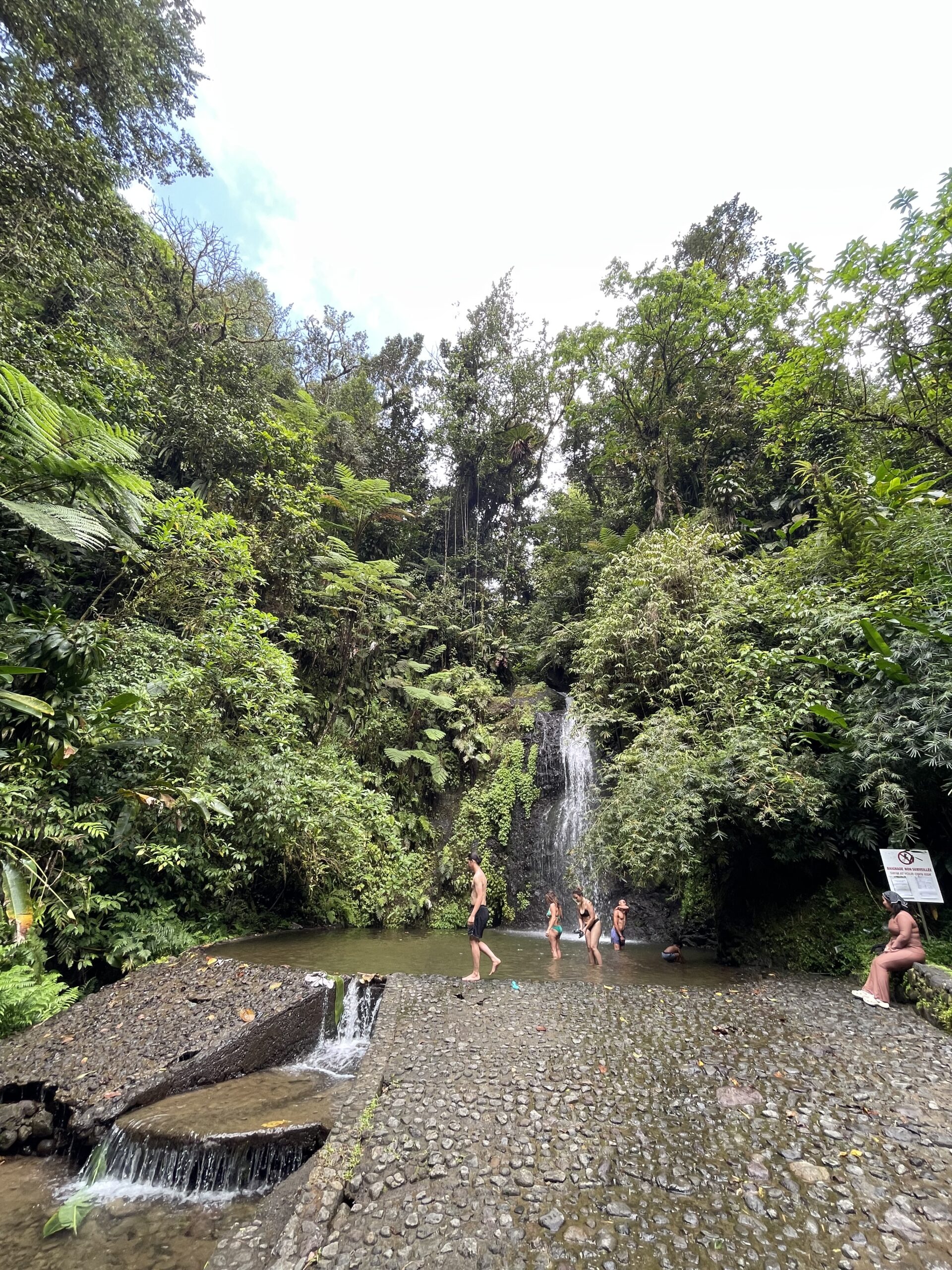
Continuing along the same road that leads from Fort-de-France to the botanical garden, I stopped at two waterfalls that are pretty much hidden in the tropical forest. While these waterfalls are not particularly outstanding in terms of their shapes and sizes (if you are from Switzerland like me, anyway) it was something new to see them in the middle of the dense woods.
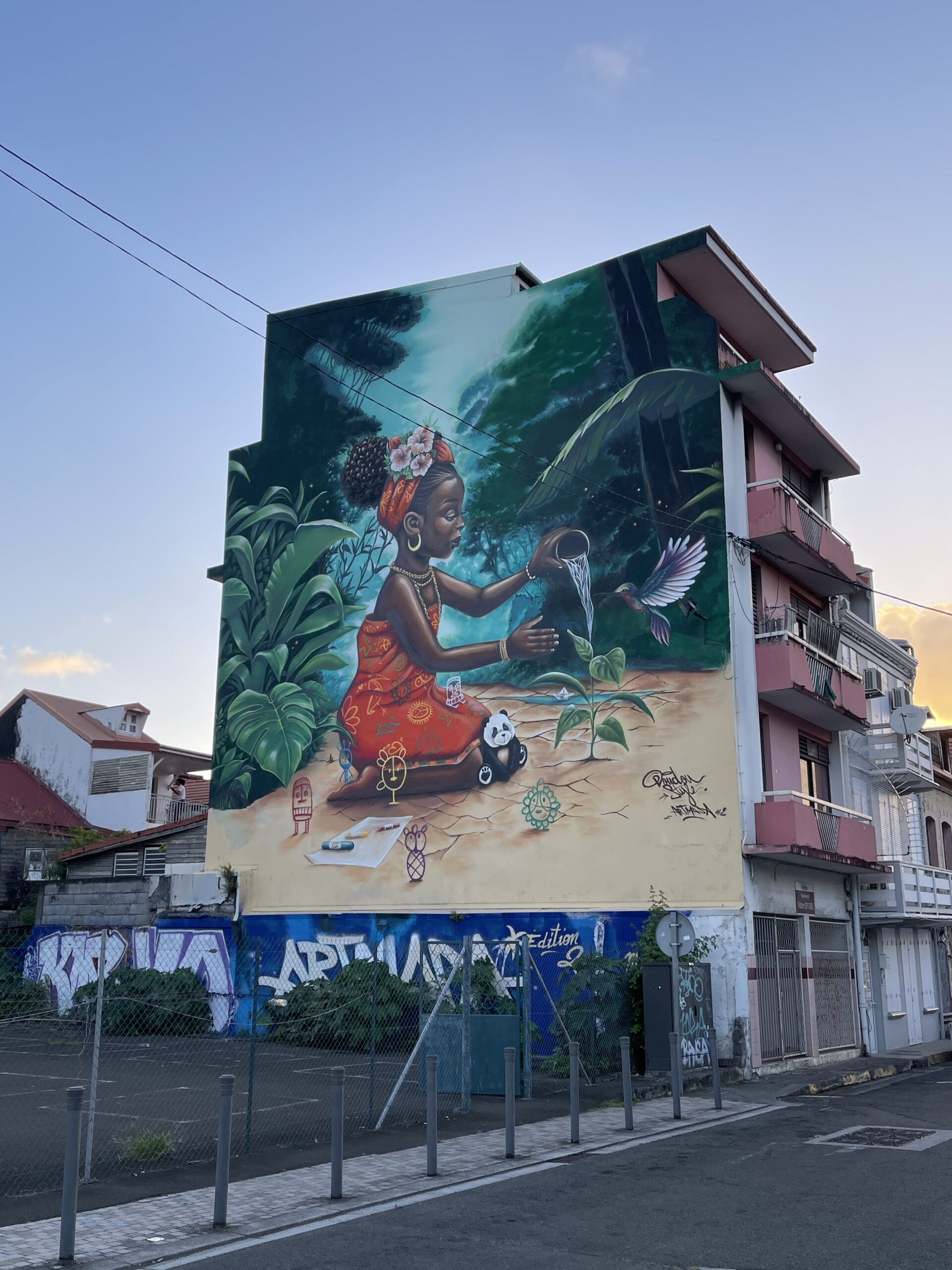
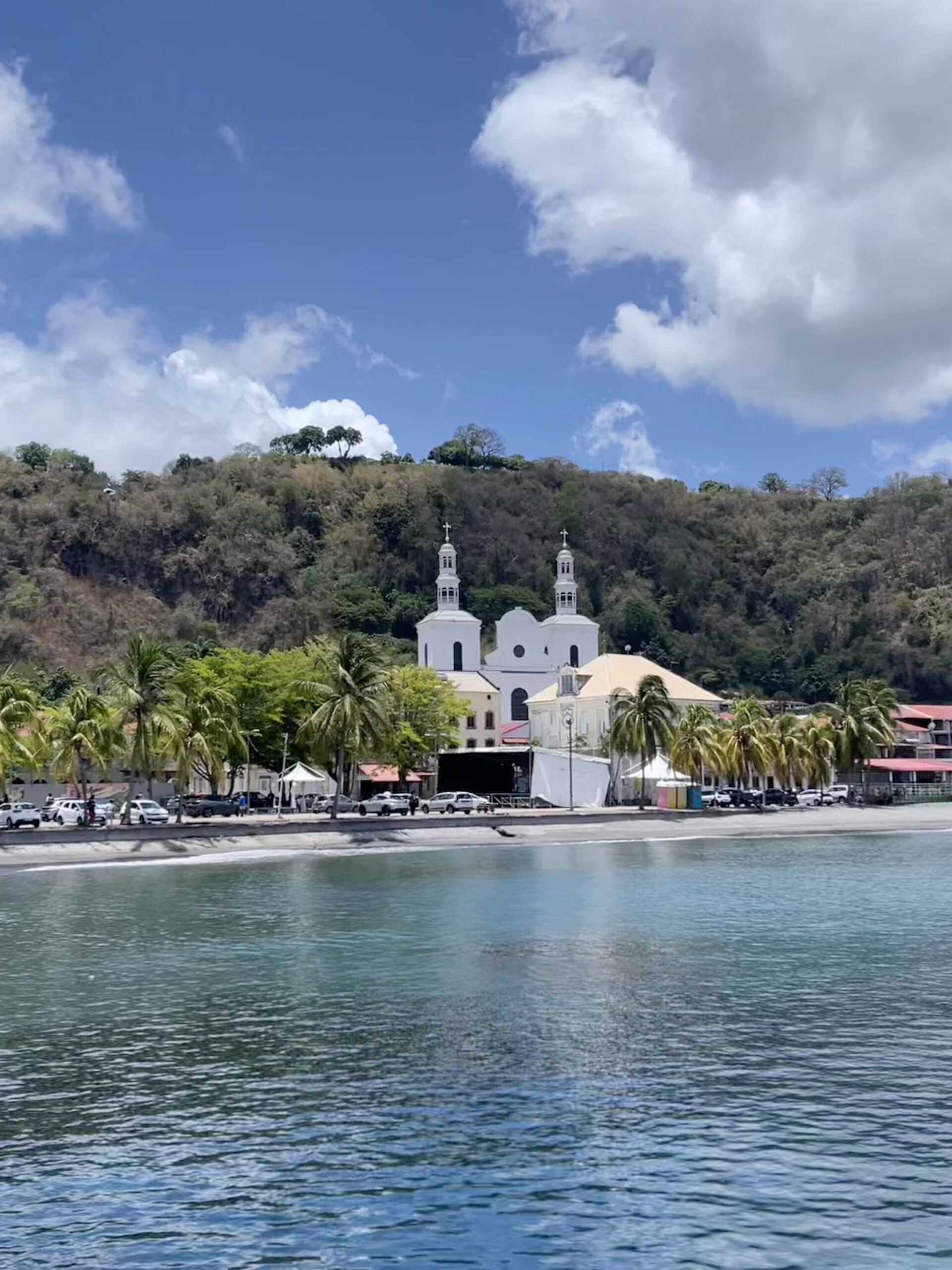
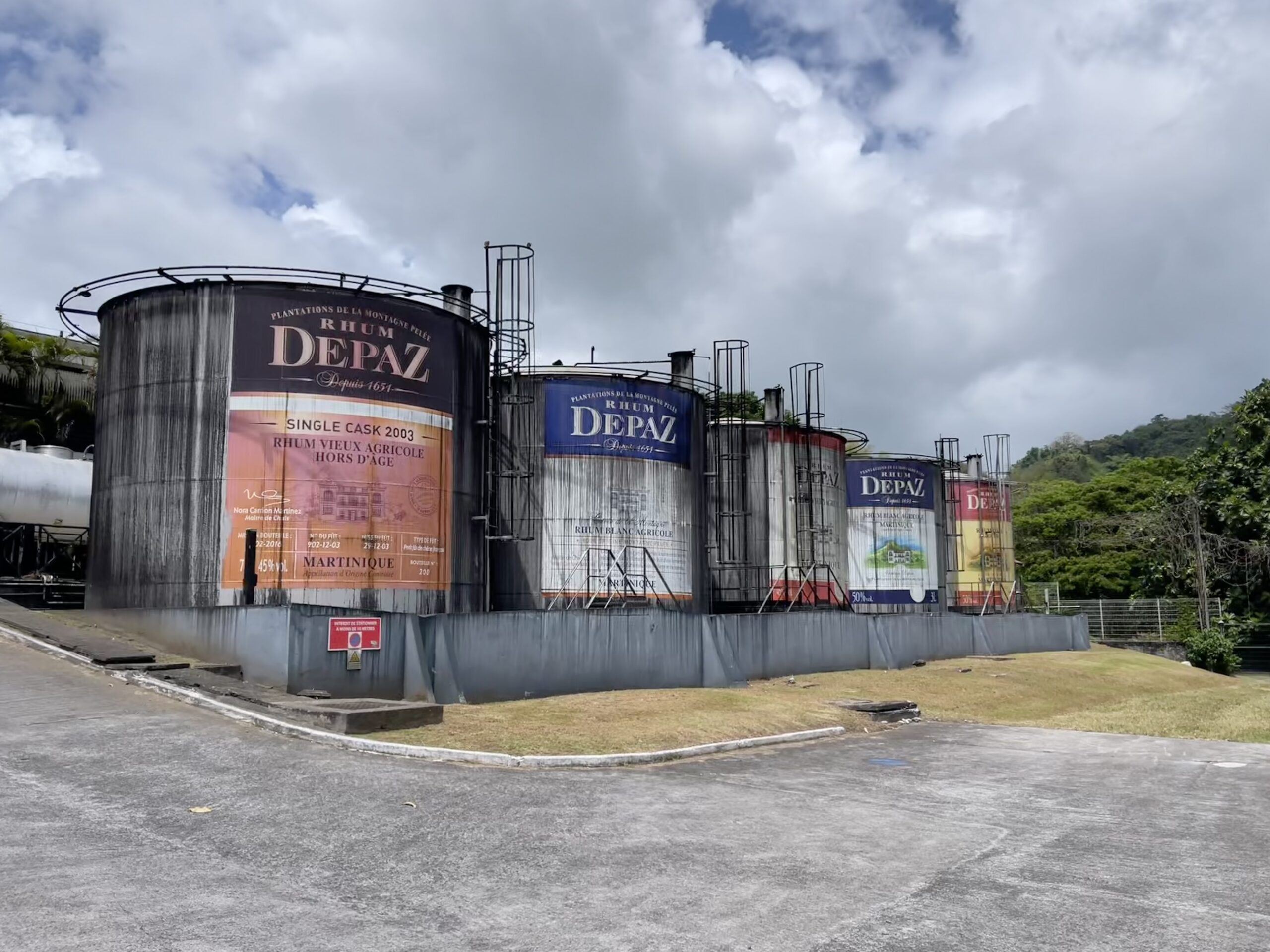
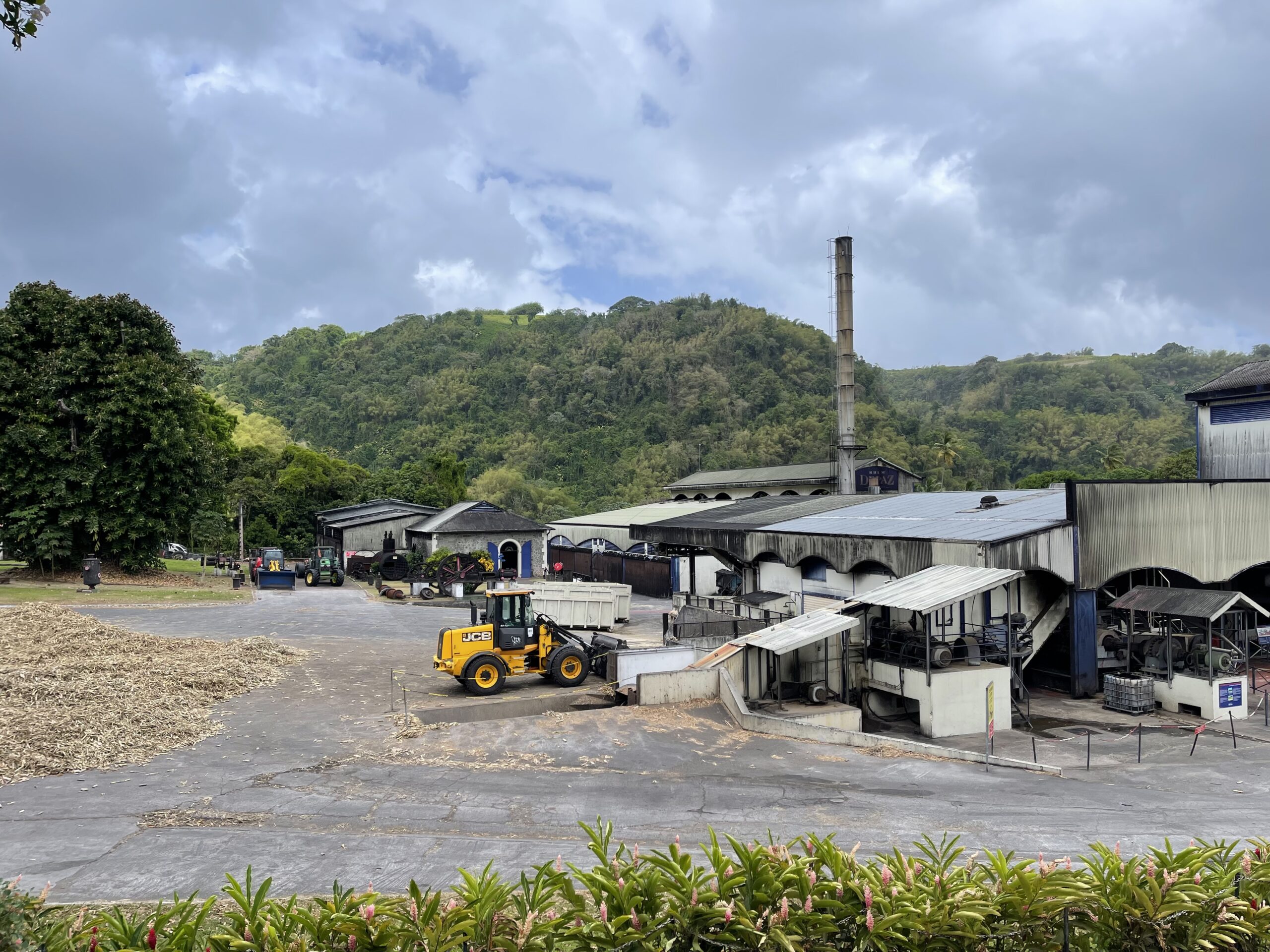
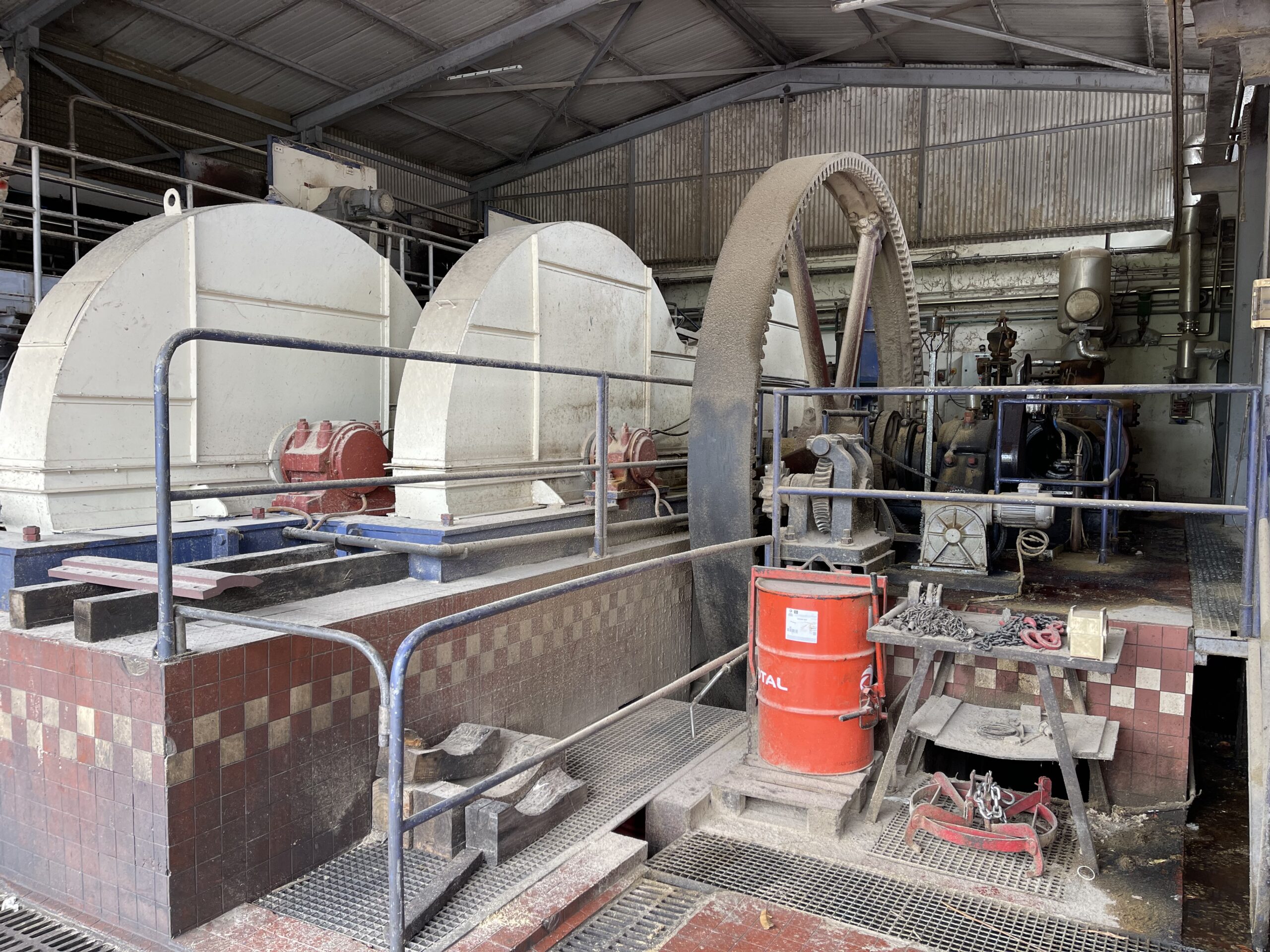
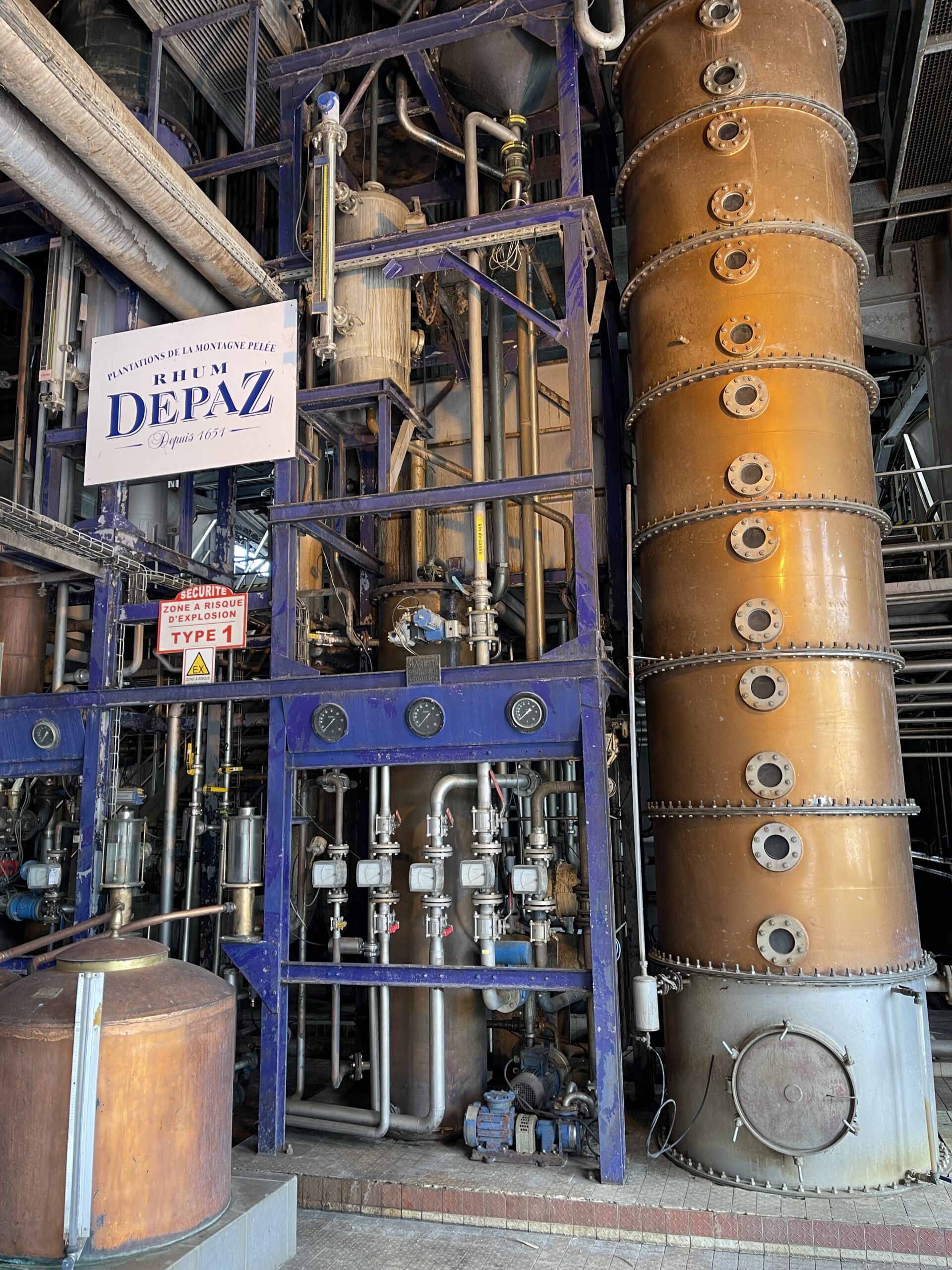
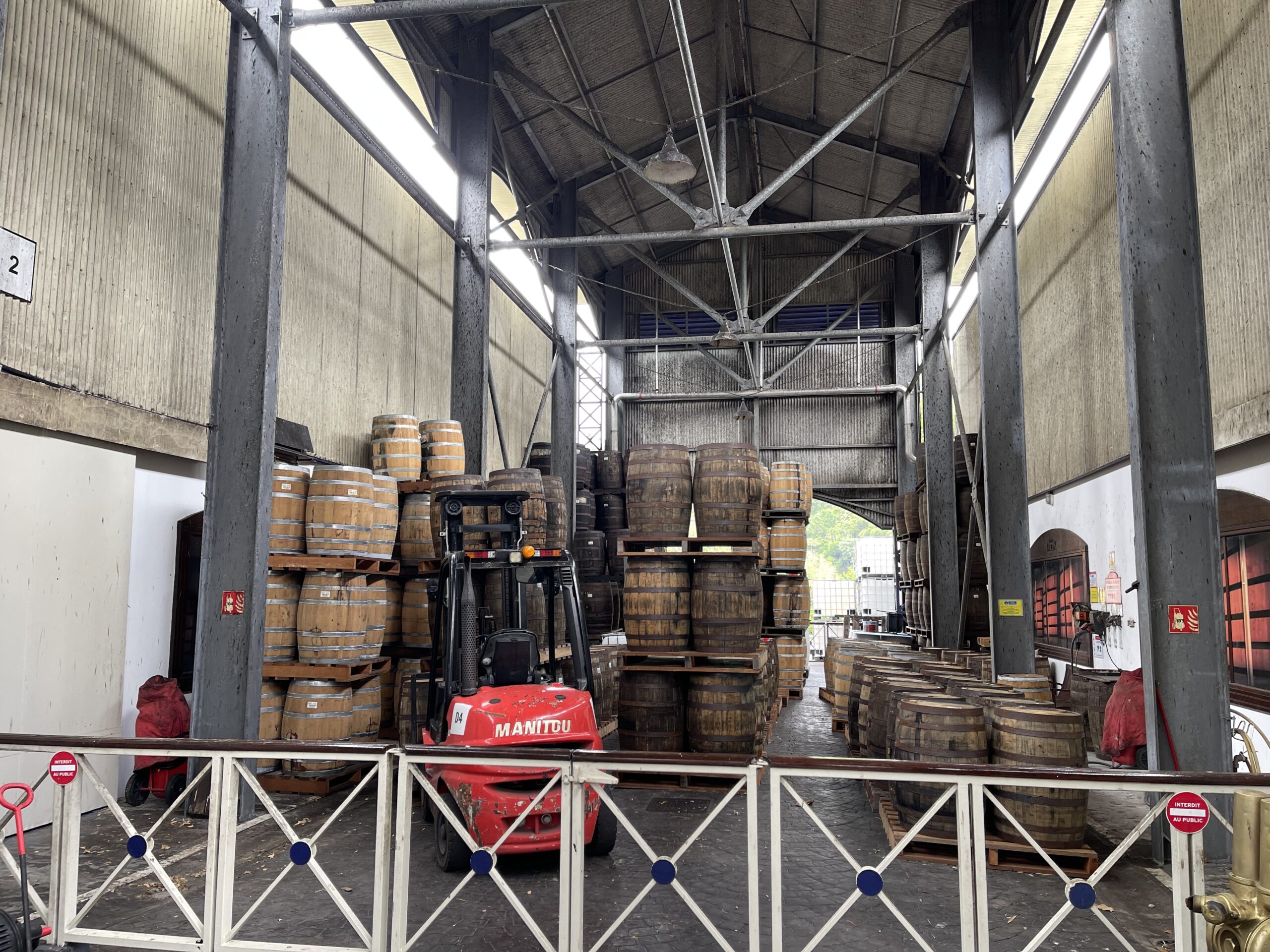
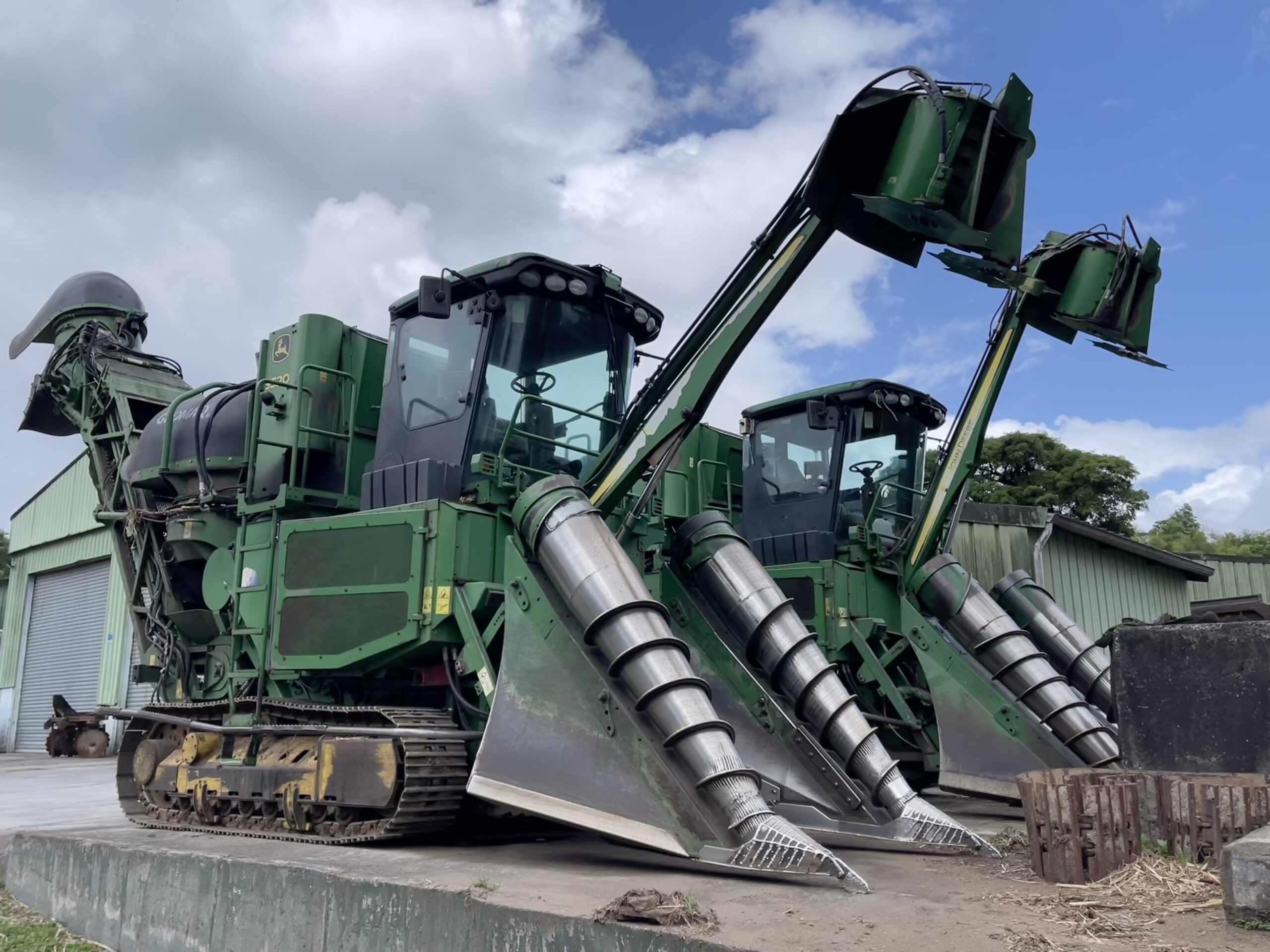
The next day, I headed to Saint Pierre in the north-west of the island to check out the Depaz rum distillery. The area has been used for agriculture since the 1650s and today, the locally produced rum is exported all over the world. The distillery is open to visitors and it is possible to do a tour around the plant when production is not running. Plus, at the end of the tour you can also taste rums of different varieties and age. While some of the machinery at the plant relies on very old technology, like the steam engine used for milling the sugarcane, of course nowadays also modern electronics and farm machinery, like tractors and harvesters, are used. Later in the day, I moved from the simple but convenient hotel in Fort-de-France to a hostel located in the south of the island. There, I met some fellow young travelers that made my stay a lot more memorable.
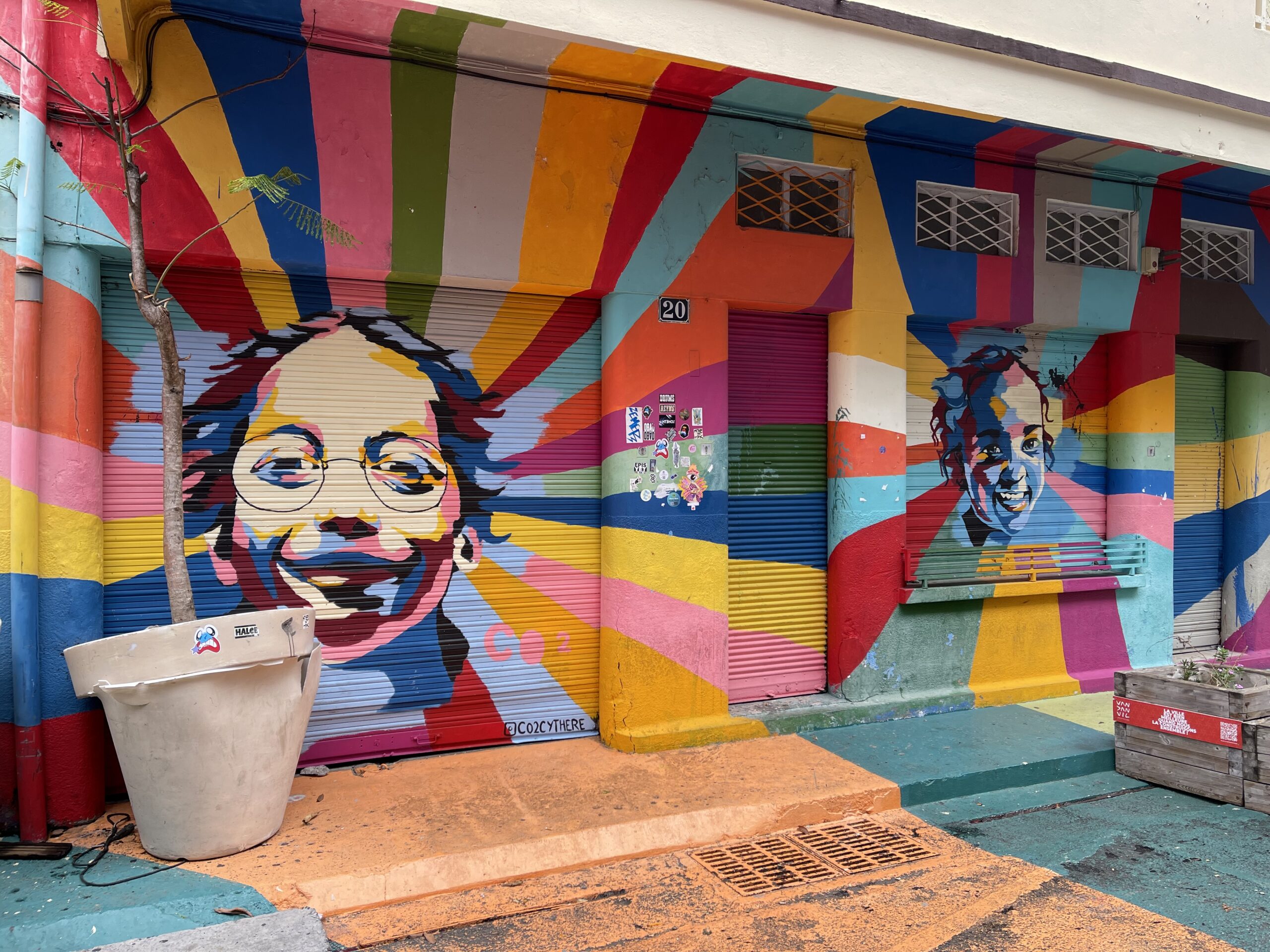
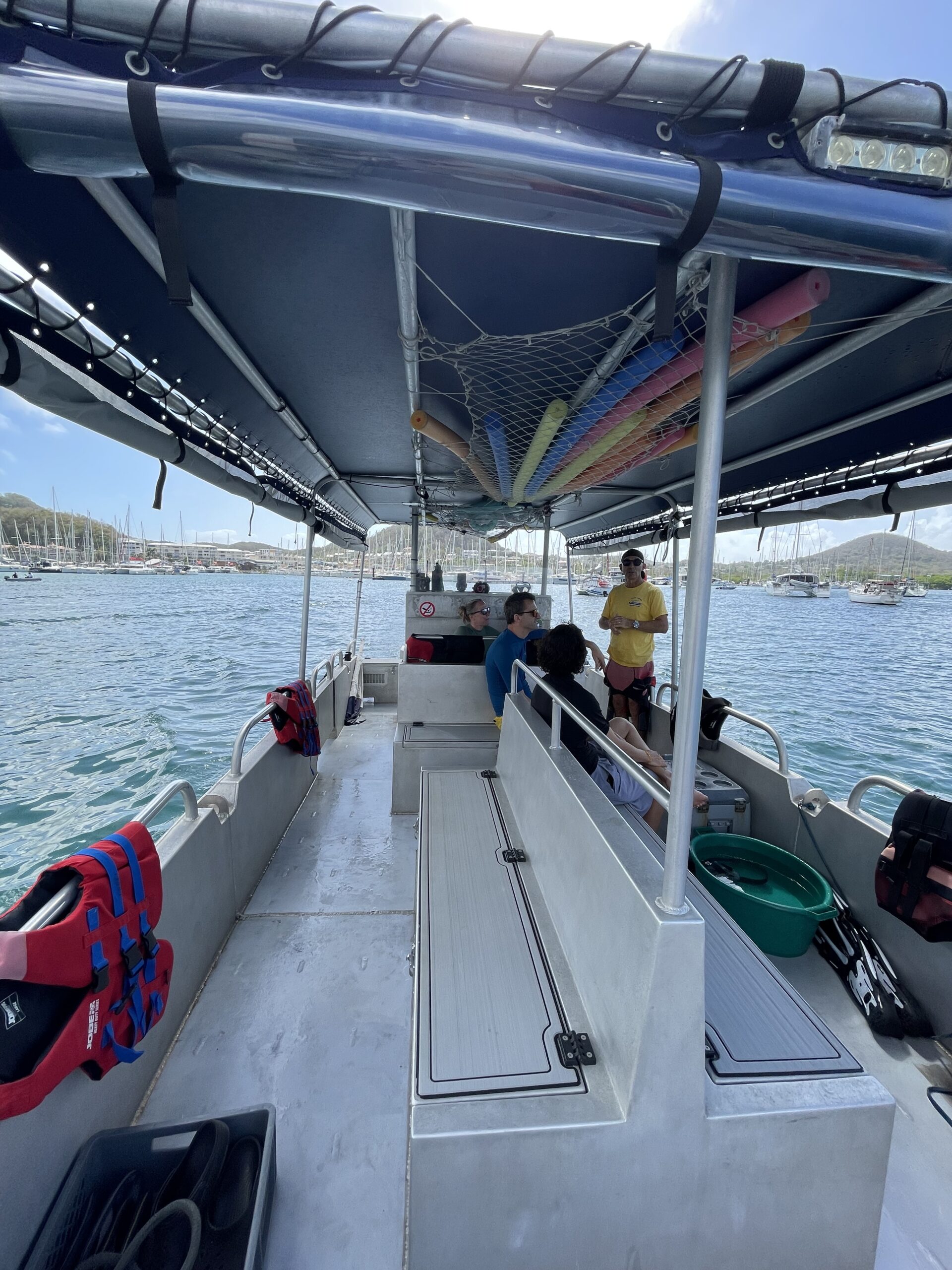
Another cool thing that I got to do while visiting Martinique was a snorkeling tour. Over the course of a couple of hours, Stéphane takes you on his aluminum boat to a coral reef that is close to the shore and not far from the port in Le Marin. Have a look at his website if you’re interested. Not only do you get to see different coral species and marine wildlife (occasionally turtles can be seen), but Stéphane also shares his knowledge of the ecosystem and how it has been endangered due to rising water temperatures. In the evening, I joined some of the other guests at the hostel for an evening in Fort-de-France. The Rue Colorée becomes a vibrant spot and the center of the island’s nightlife on Friday nights.
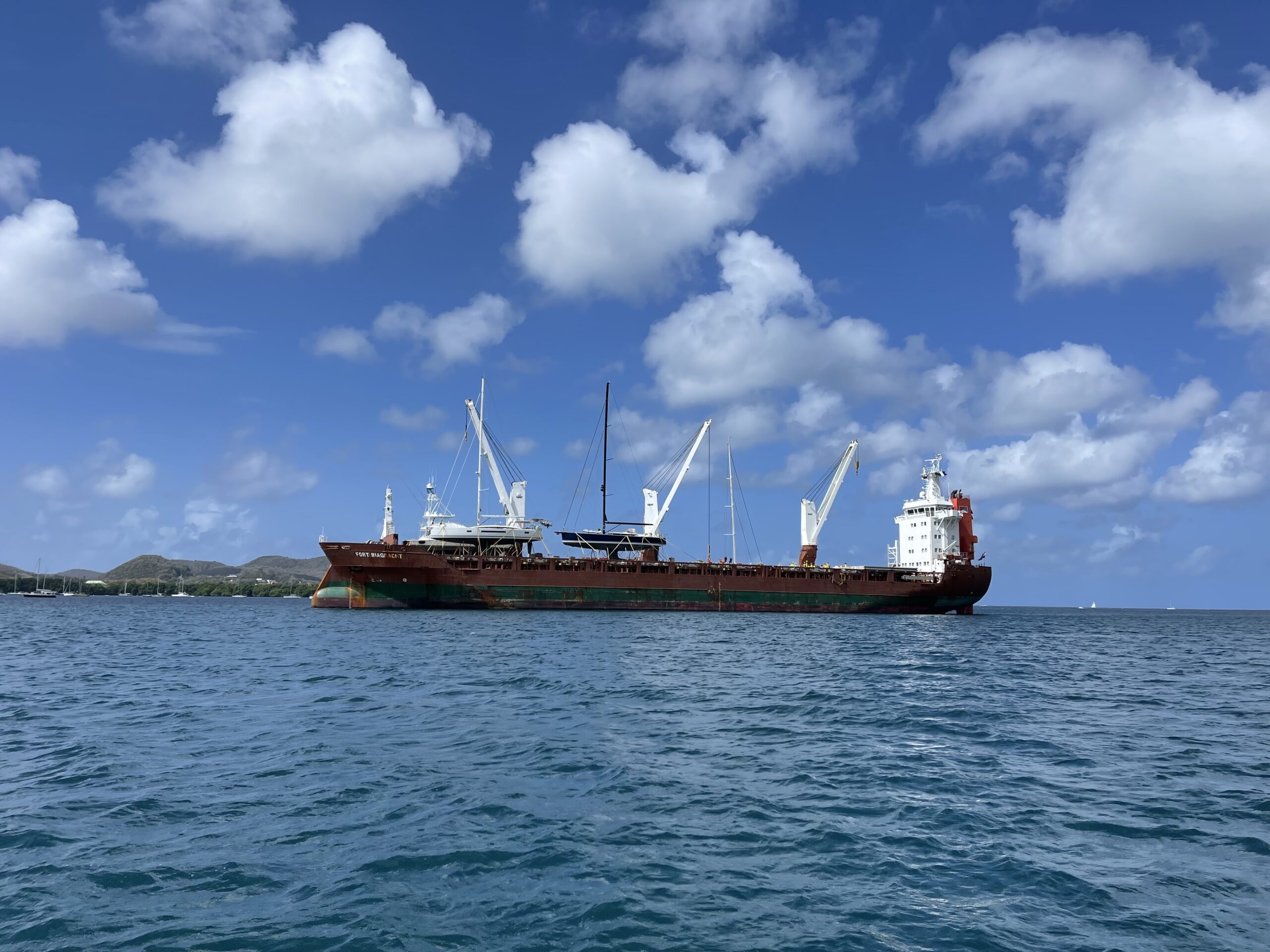
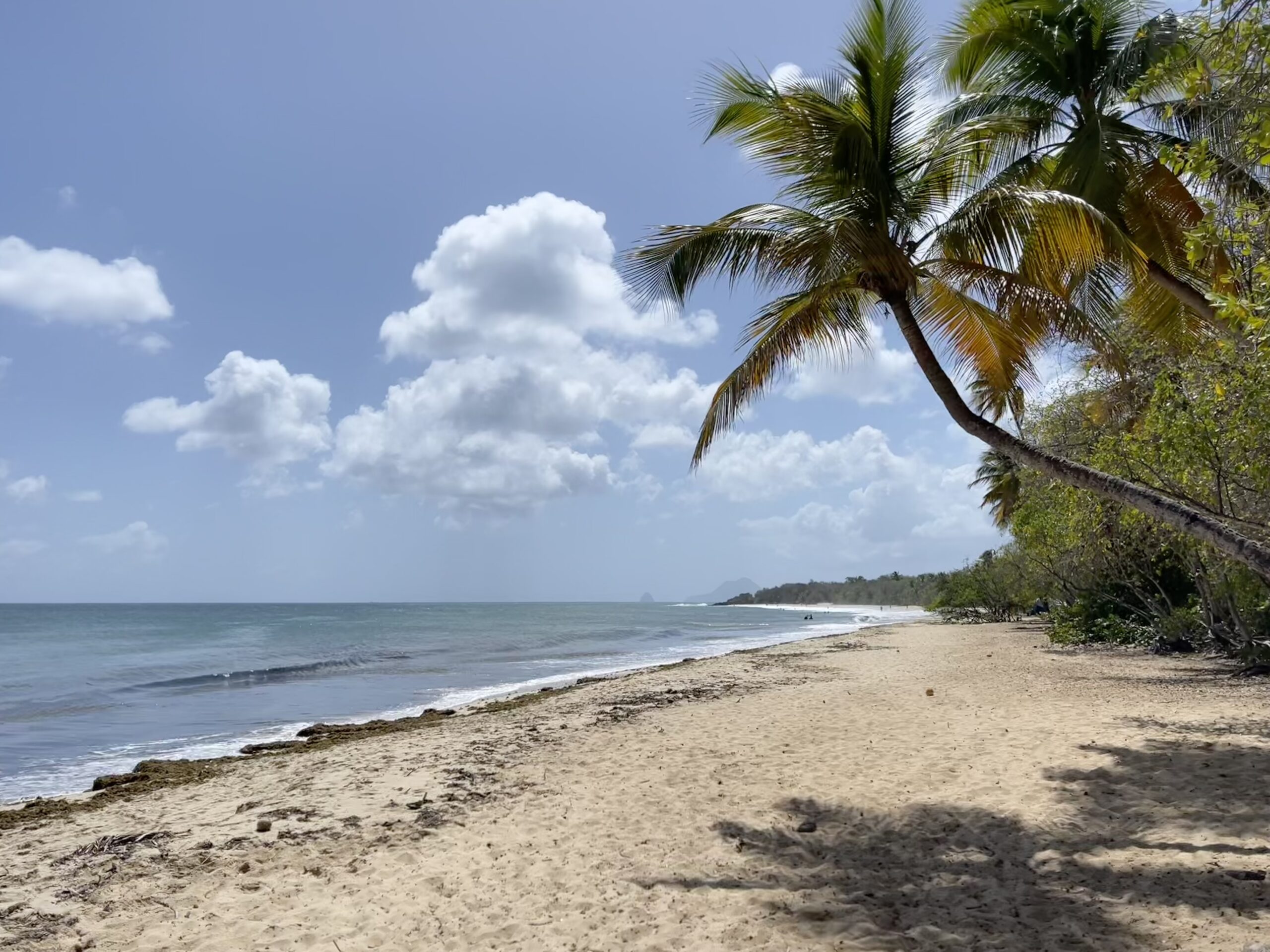
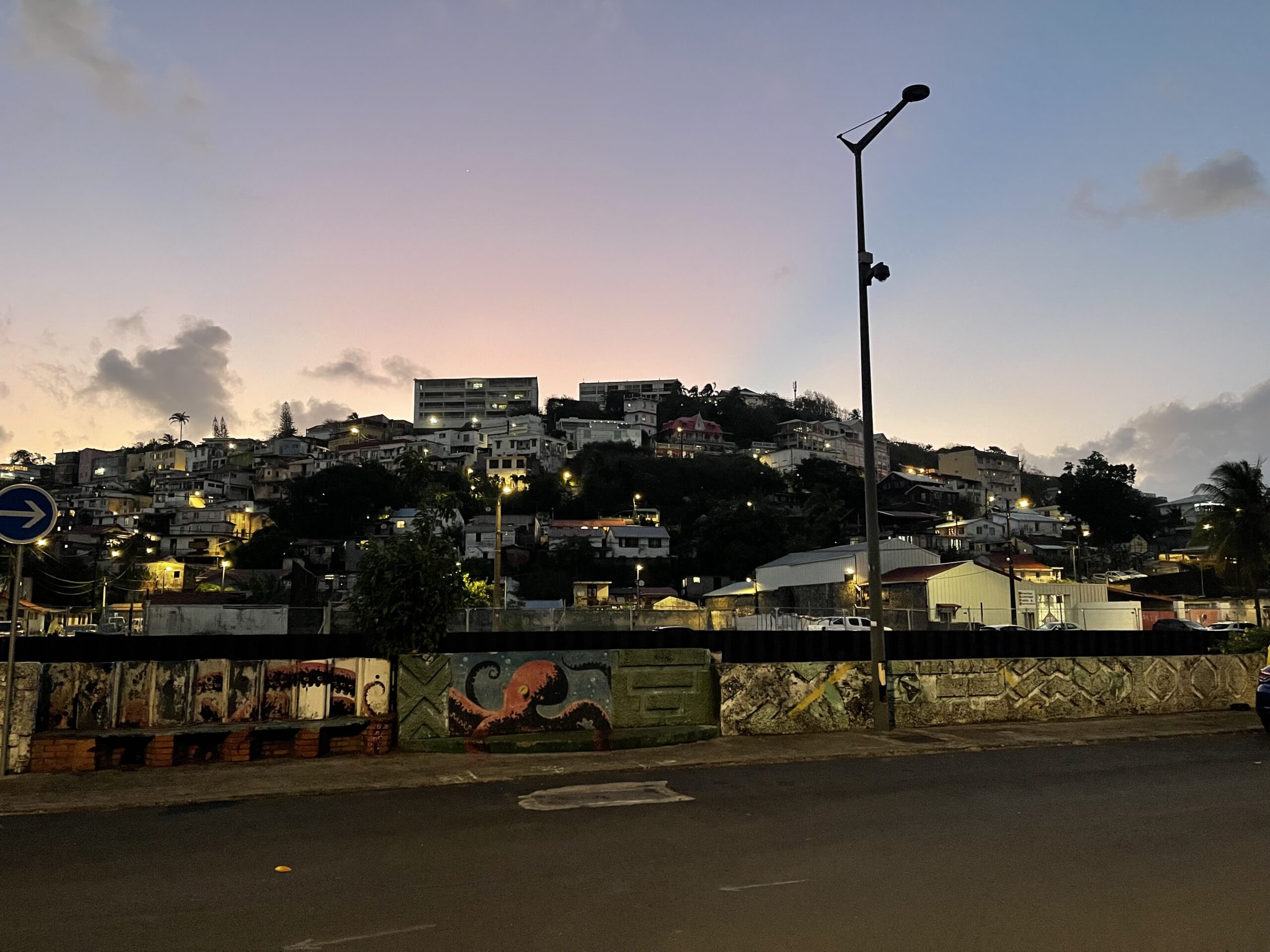
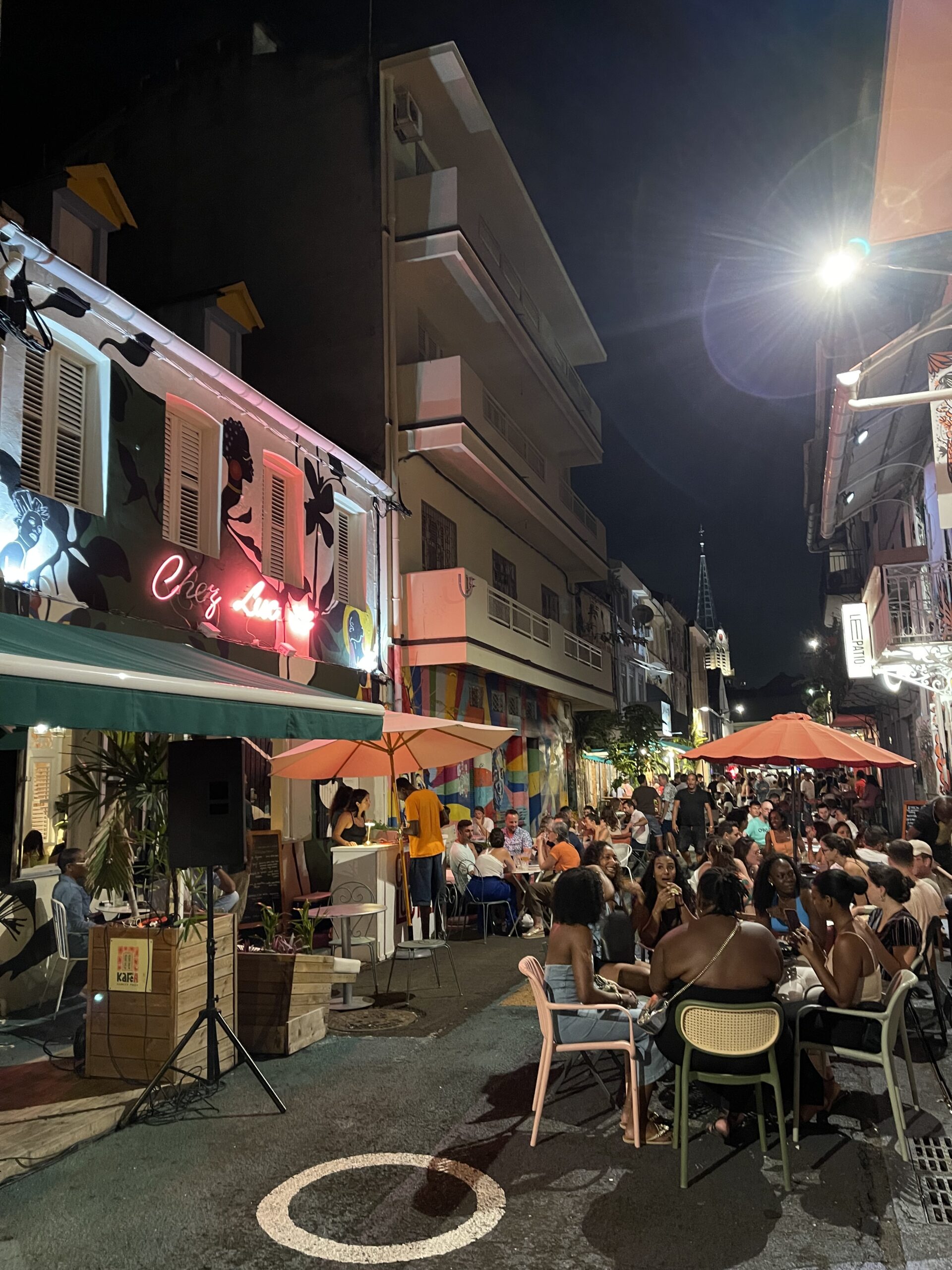
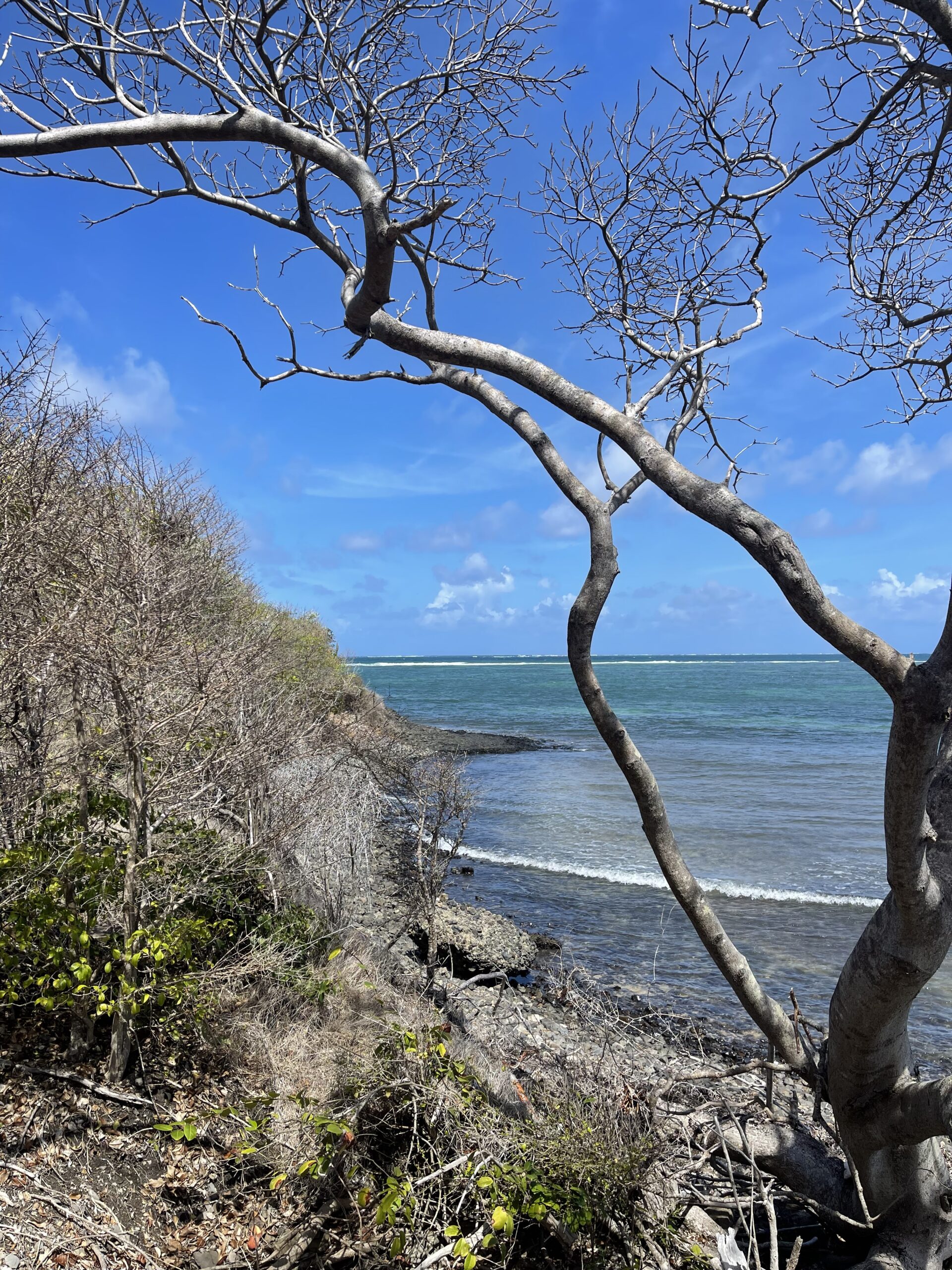
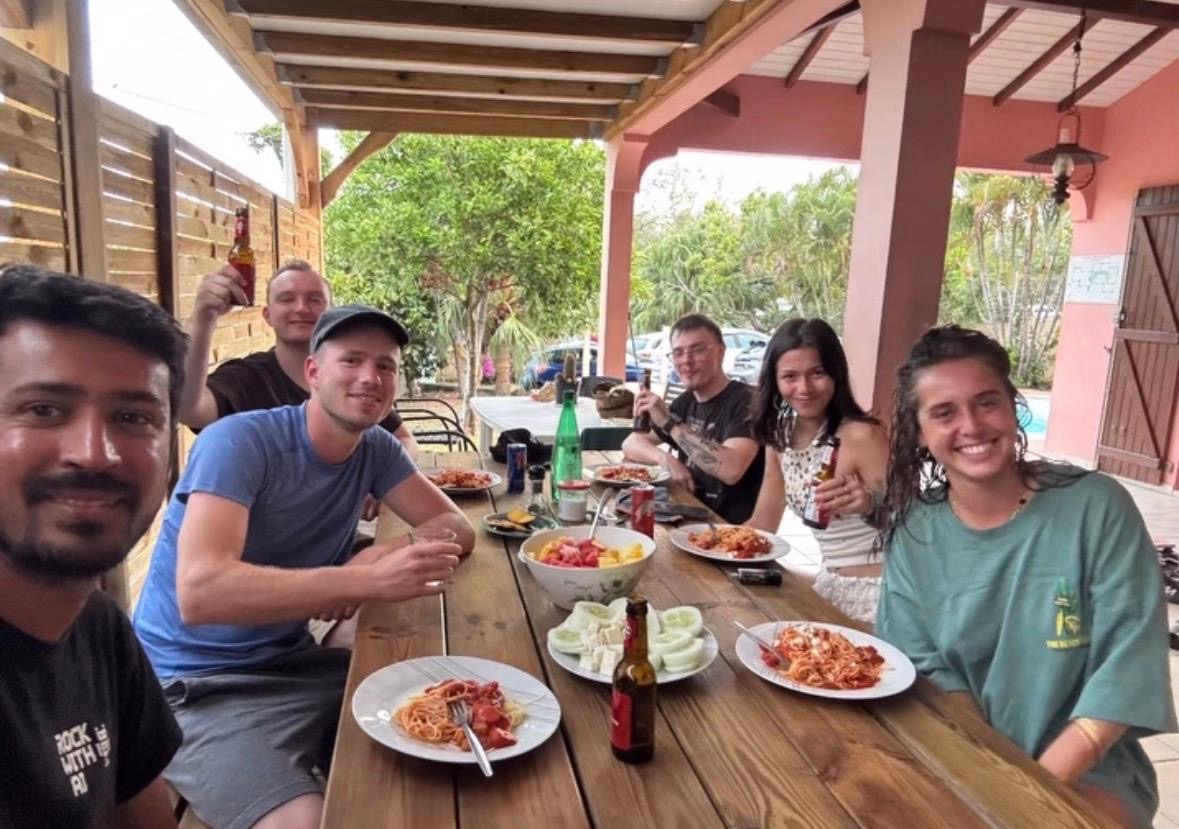
After a few more days of staying at the hostel, it was time to move on. I booked a flight from Martinique to Saint Lucia, its neighboring island to the south.
Saint Lucia
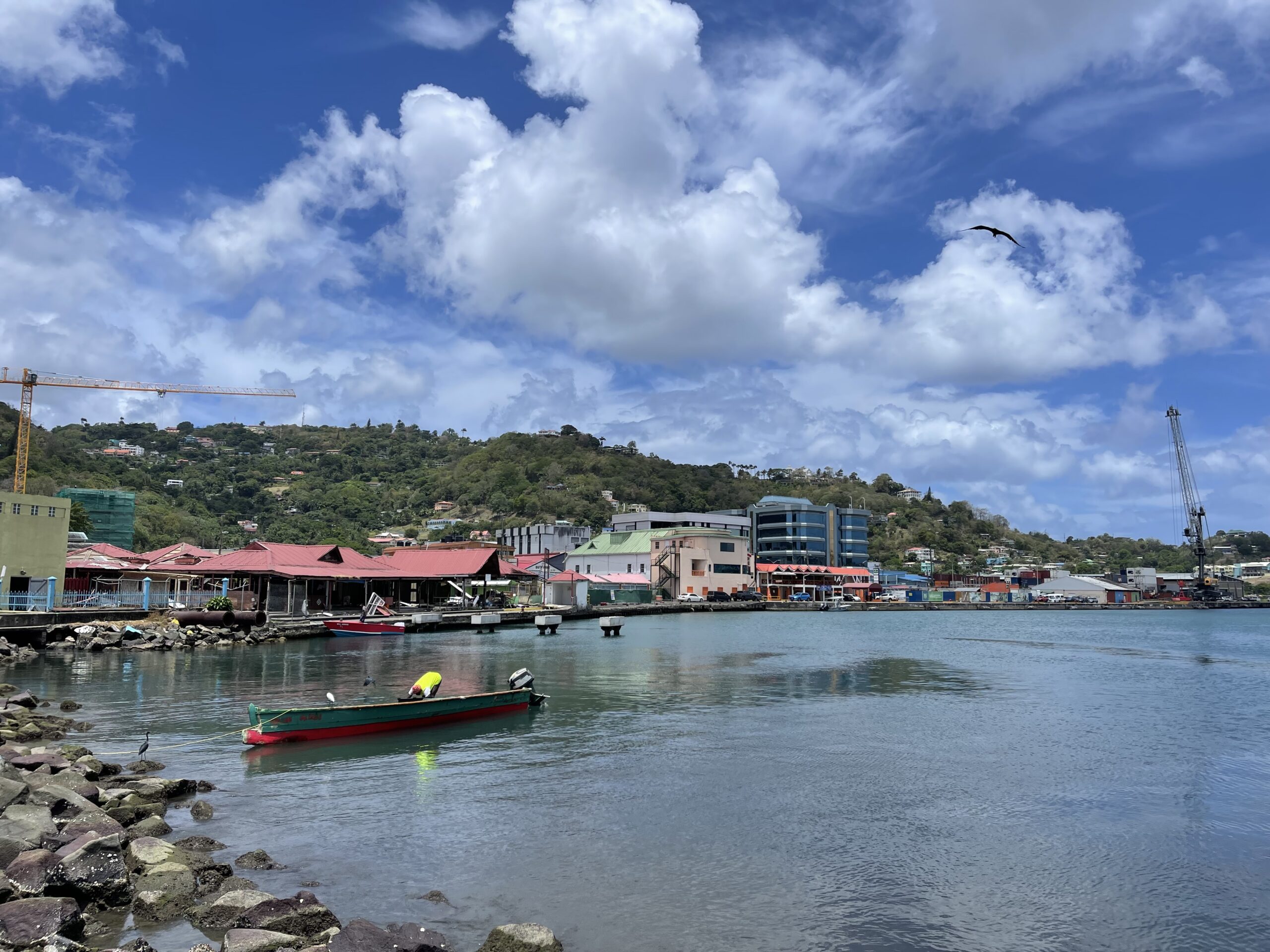
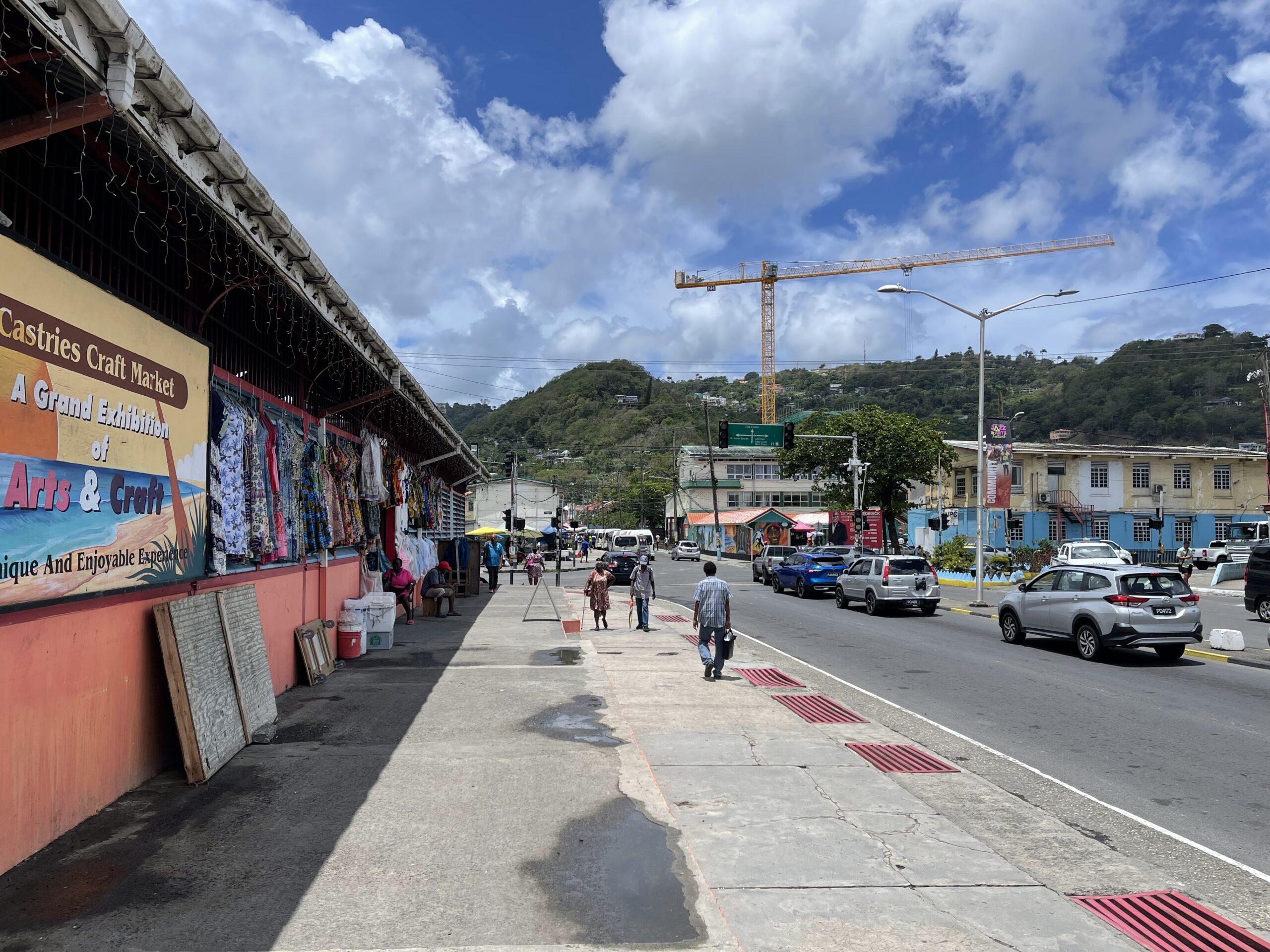
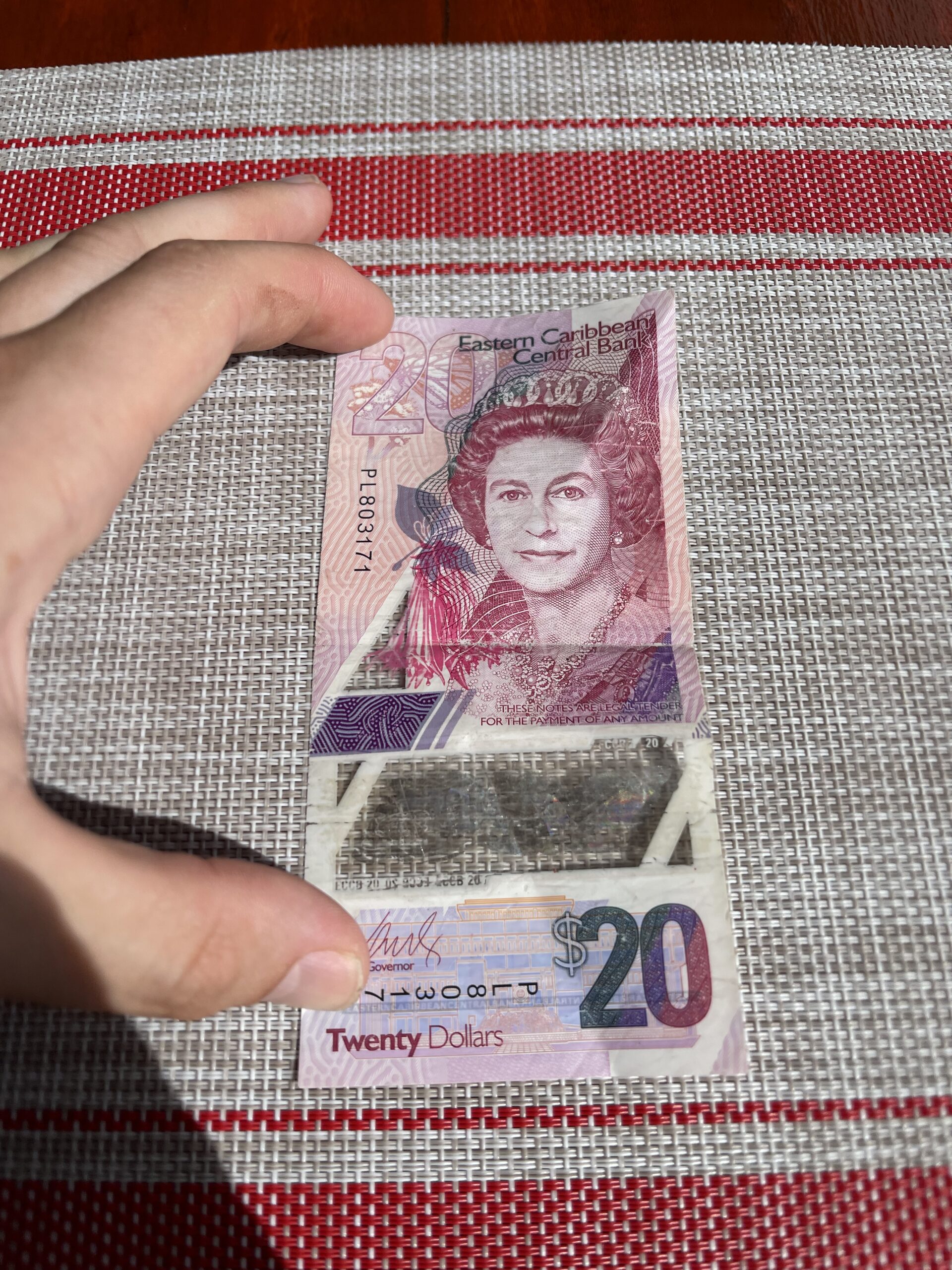
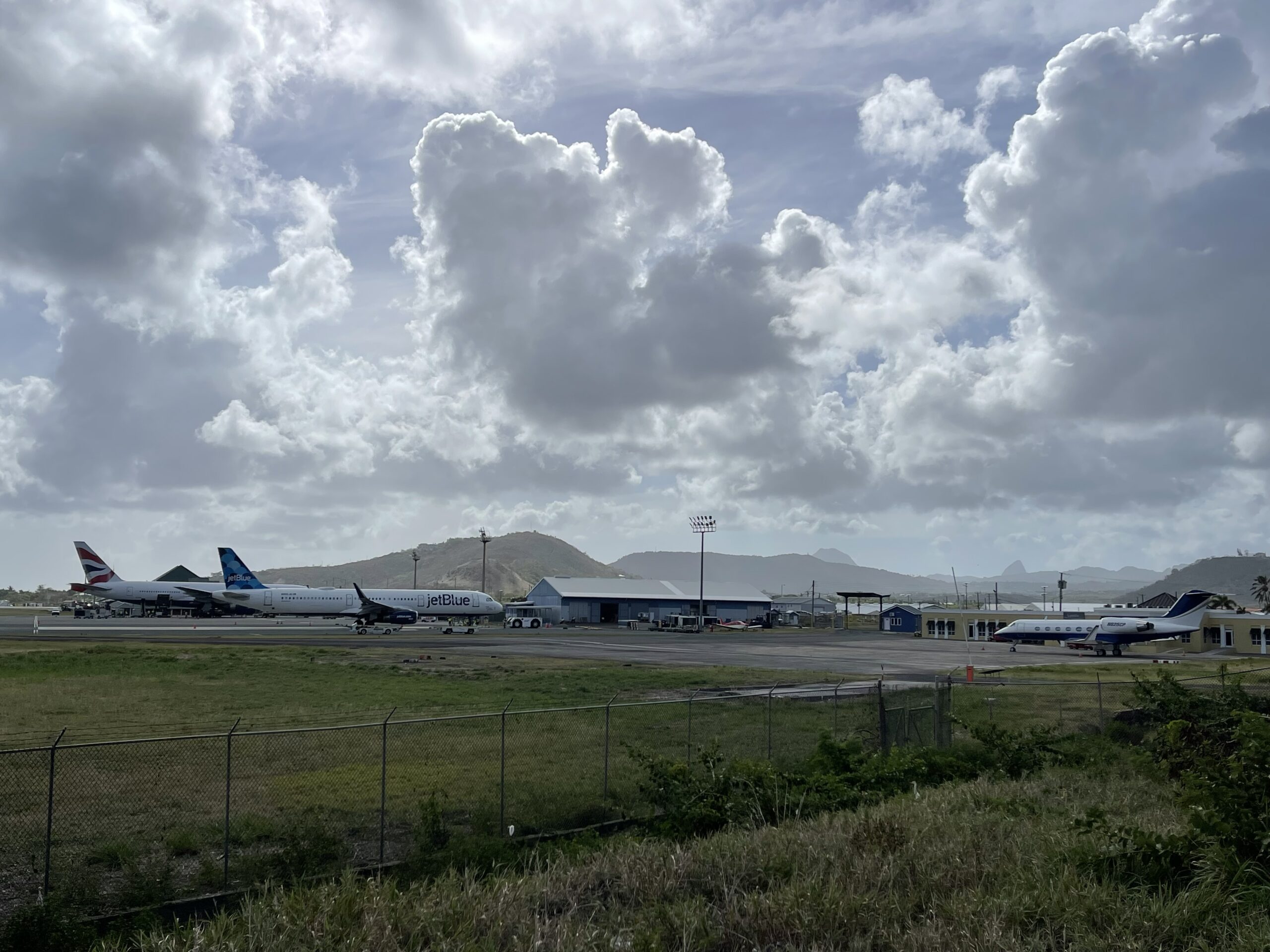
Flying from Martinique to Castries, the capital of Saint Lucia, is a very short affair: the flight only takes 30 minutes, including taxiing. I stayed three full days in Saint Lucia and stayed in an Airbnb hosted by wonderful local people. When I arrived, Lyn and Kelly greeted me with some homemade dinner as they told me there wasn’t really any place open later on a Sunday night. I really appreciated their warm welcome and enjoyed staying with them. Saint Lucia was once a British colony and is still part of the Commonwealth today (the full history of the island is actually very complex, feel free to check out the Wikipedia article…), and the official language is English. This of course made getting around and talking to locals a lot easier for me.
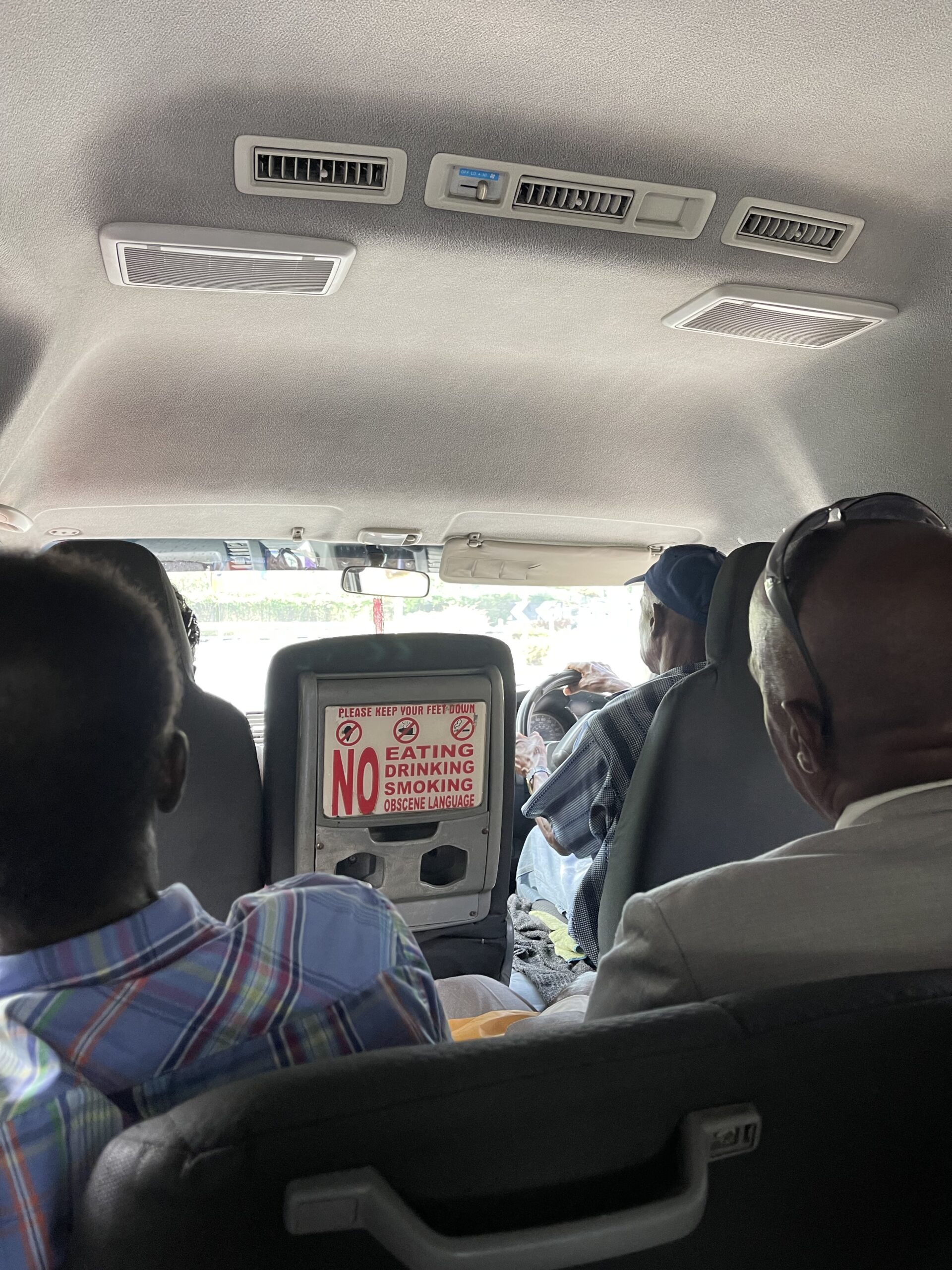
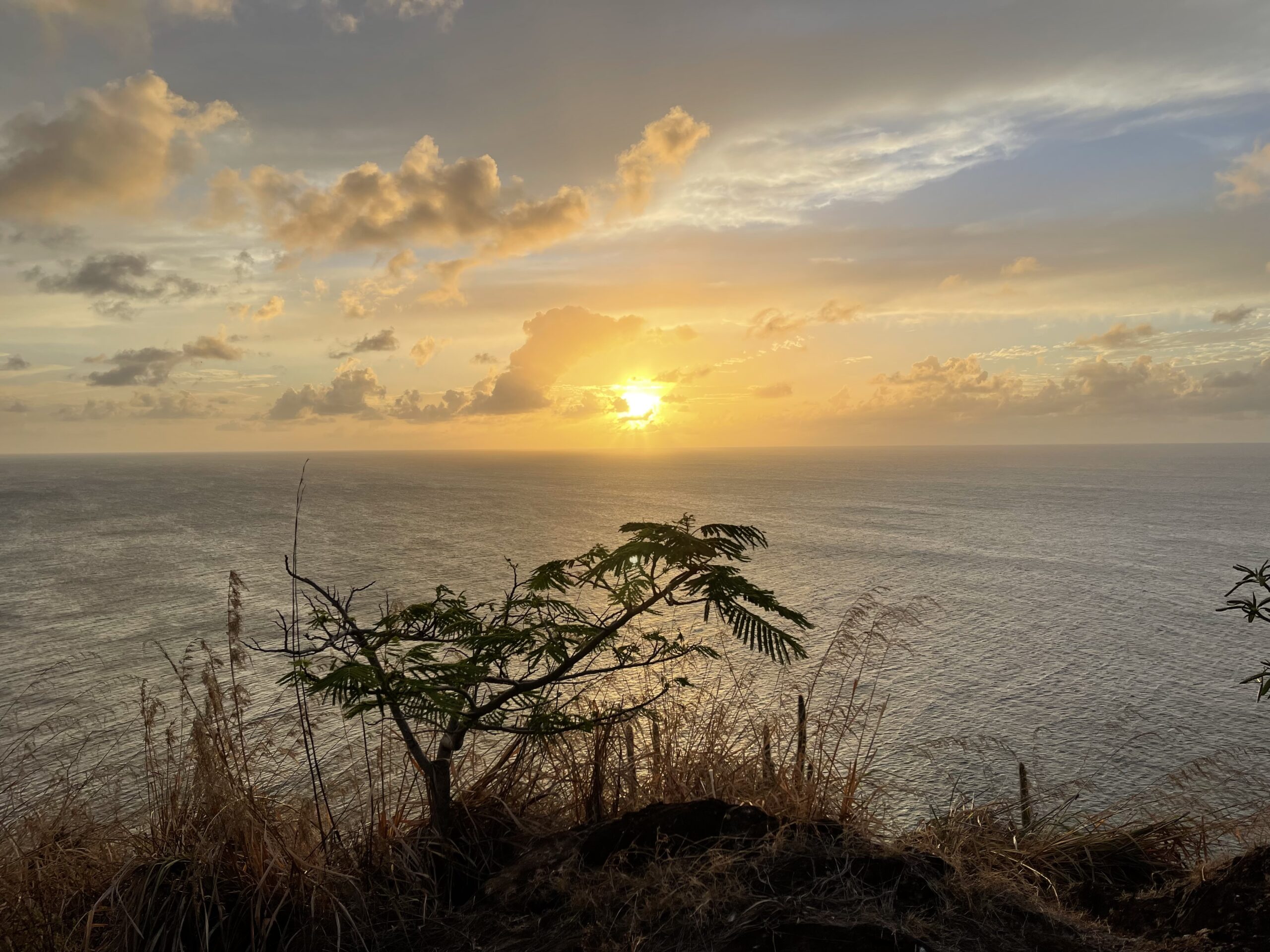
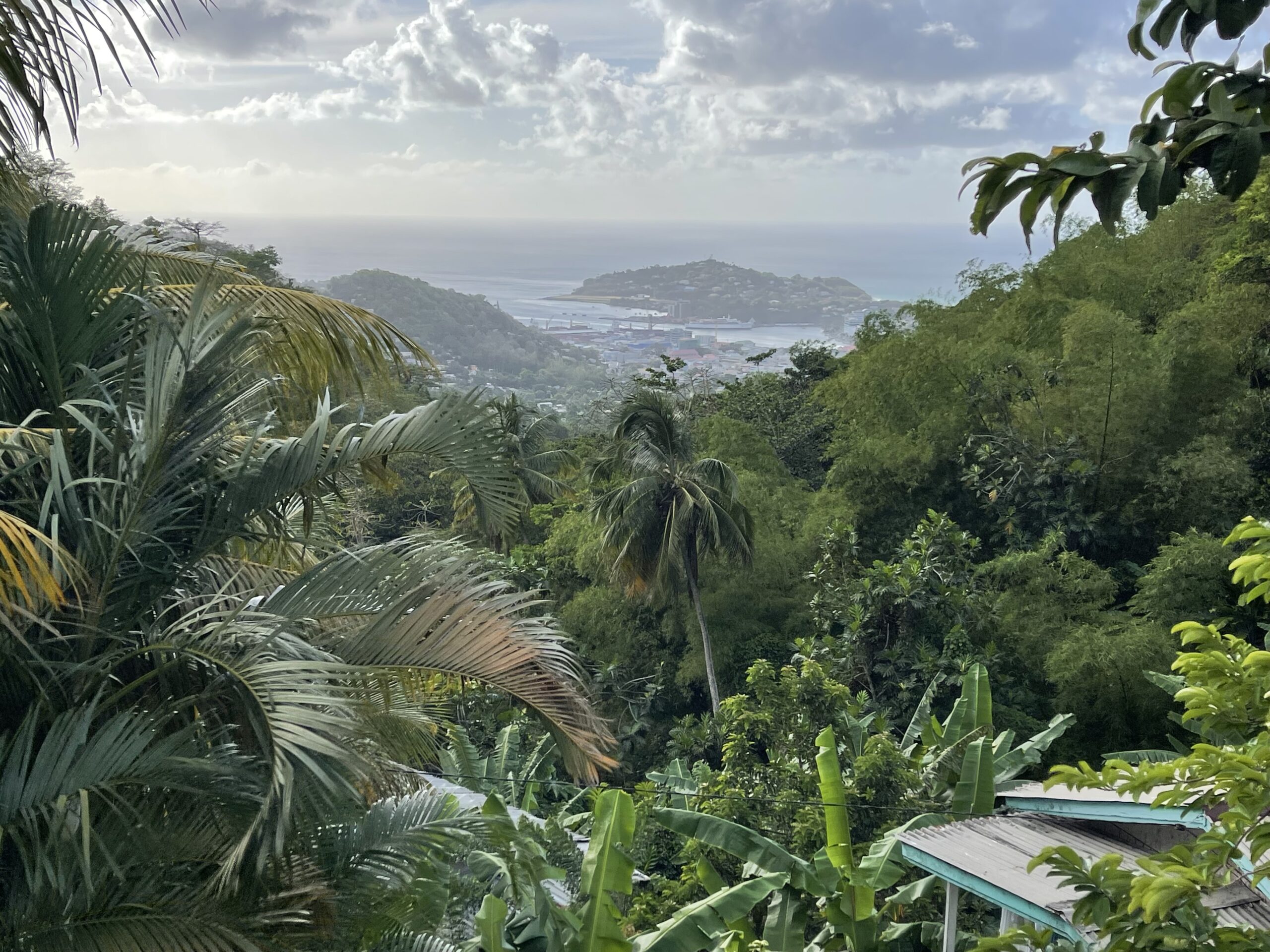
The next day, I decided to do some exploring on foot. Conveniently, the small vacation apartment that I was staying at was only a short walk away from the Castries city center and the airport. Later in the day, I took a bus from Castries to Rodney bay, which is about 10 kilometers north, pretty much at the north end of the island. Interestingly, the bus system works in a very different way compared to what we are used to in Europe. You won’t find public city buses anywhere, but instead, (predominantly Toyota Hiace) minibuses with a sticker in the windshield indicating their route provide local transportation. This system seems to be very efficient: while there appears to be no timetable, I never waited more than a few minutes for the next bus to arrive (quite different to my experience in Martinique…). When you’re on the bus and want to get out at the next stop, you just holler “Driver, bus stop please!” and hand the driver some coins as you’re leaving. In Rodney bay, I walked out to Pigeon island and went up to the Signal Peak lookout, where I watched the sun go down.
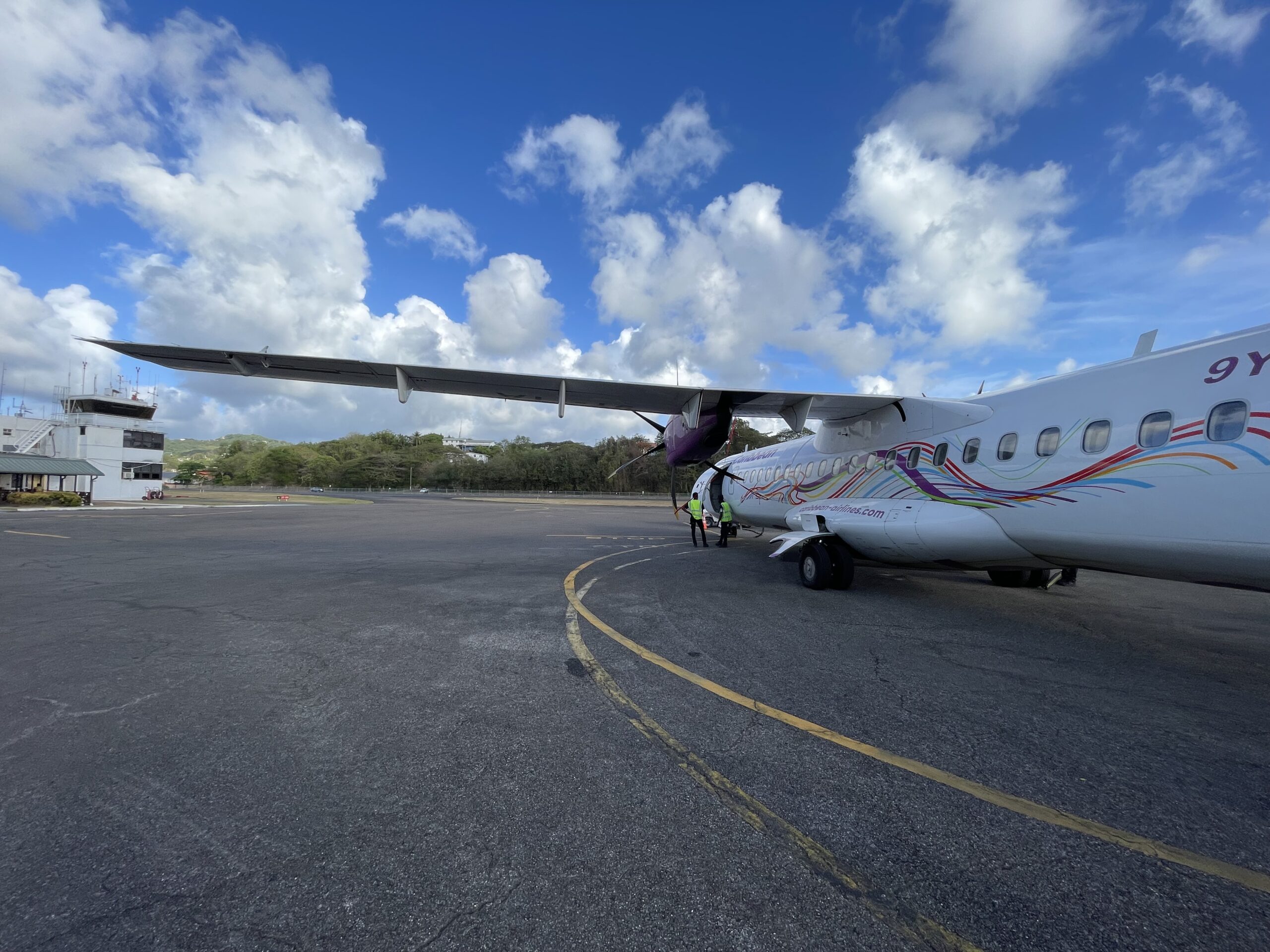
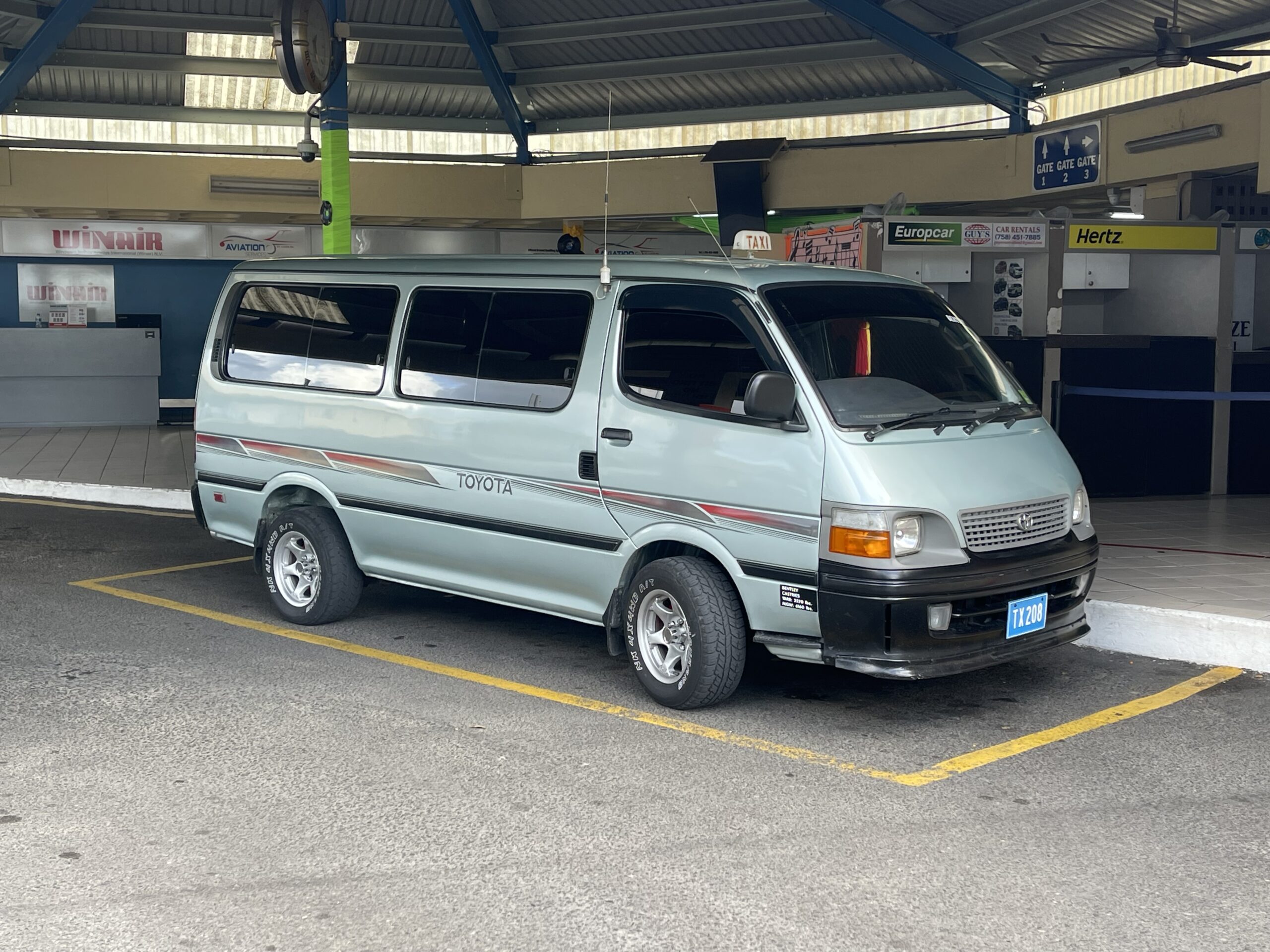
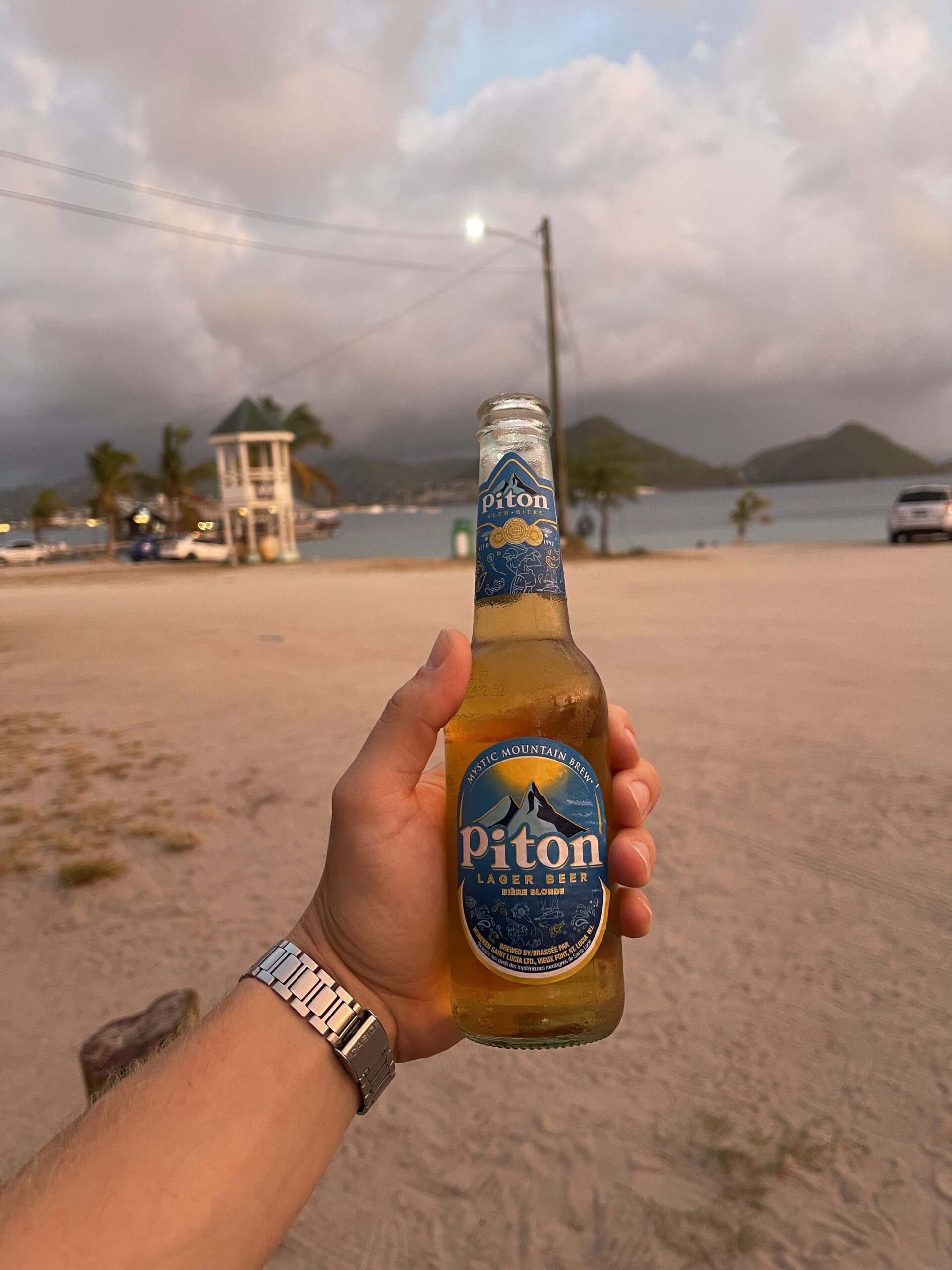
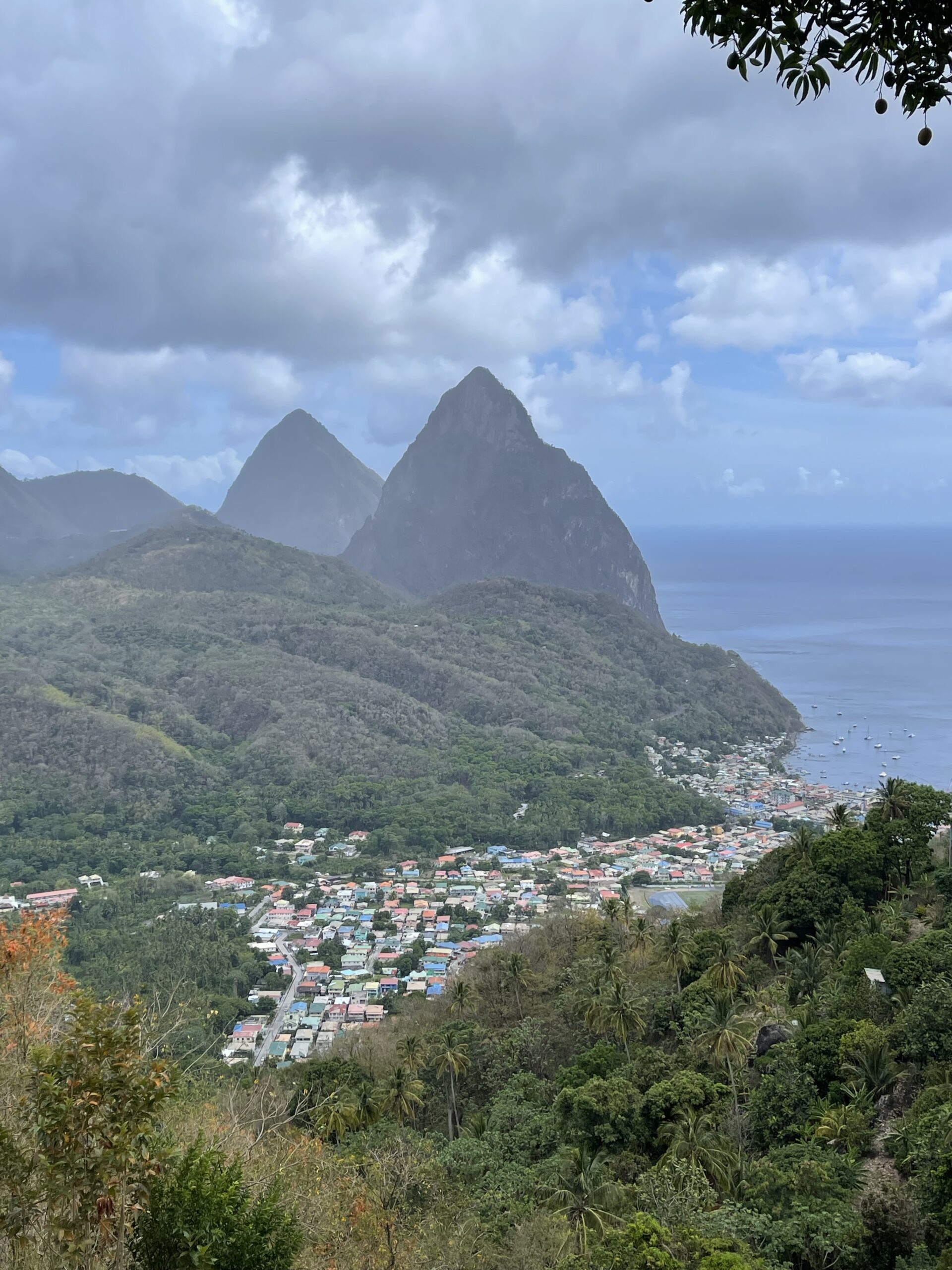
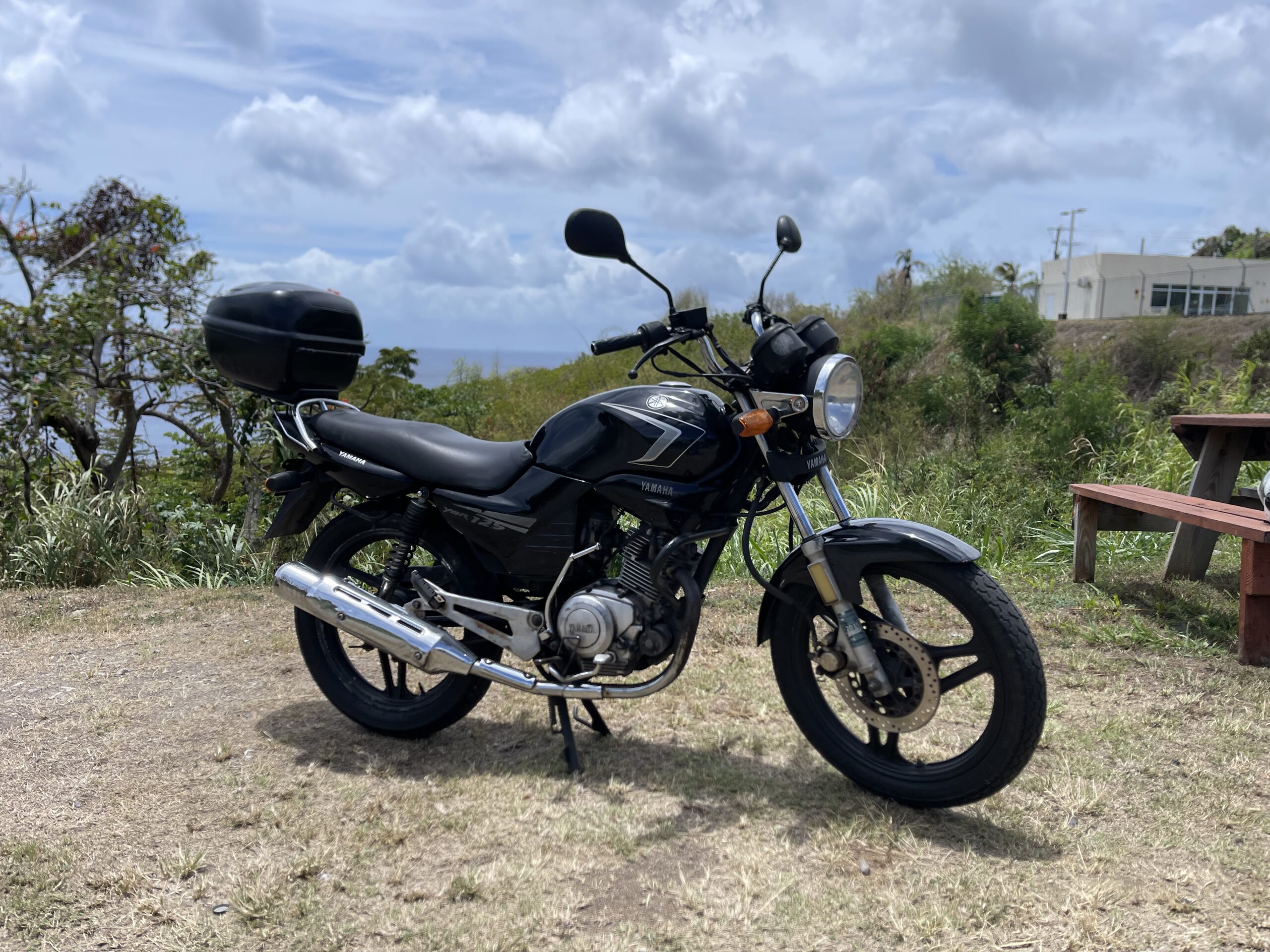
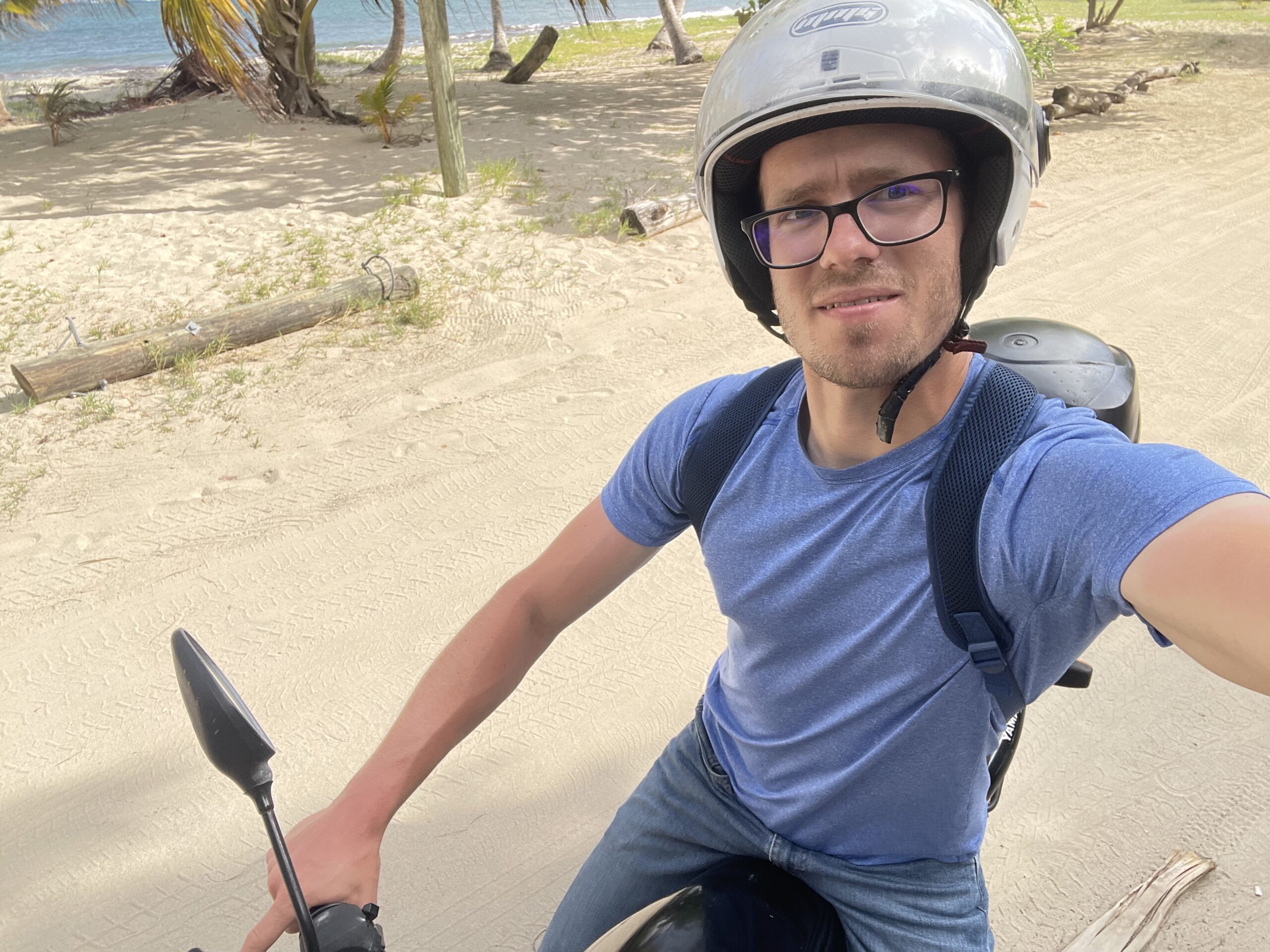
In the morning of the following day, I walked to a local motorcycle dealer and repair shop that I found on Google Maps. Reviews said that the owner offers rentals, so I figured I’d see if I could rent a bike for the day to tour the island. Indeed I was lucky: I got to rent a well-used, yet functional Yamaha YBR 125. None of the gauges worked, but that didn’t stop me from having fun. The motorcycle’s light handling and very good fuel economy made it enjoyable for doing a loop around the island. Near Soufrière, arguably the most remarkable of Saint Lucia’s natural treasures awaits: the two Pitons. The Petit Piton and the Gros Piton are two volcanic spires that stand out from the surrounding landscape due to their conical shape and steep slopes. Unfortunately, I only saw the Pitons from the main road, but if I ever visit Saint Lucia again, I would definitely like to hike to the top of one of them. There are guided hiking tours offered to the top of both mountains, and while they’re both very technical, hiking to the top of Petit Piton looks pretty extreme even in a video.
Sint Maarten
After another day in Saint Lucia, it was time for me to leave. My plan was to do one more stop in the Caribbean before heading on to visit friends in the US. I put this plan into action by flying to Sint Maarten, from where I booked a flight to the US that would take me there two days later.
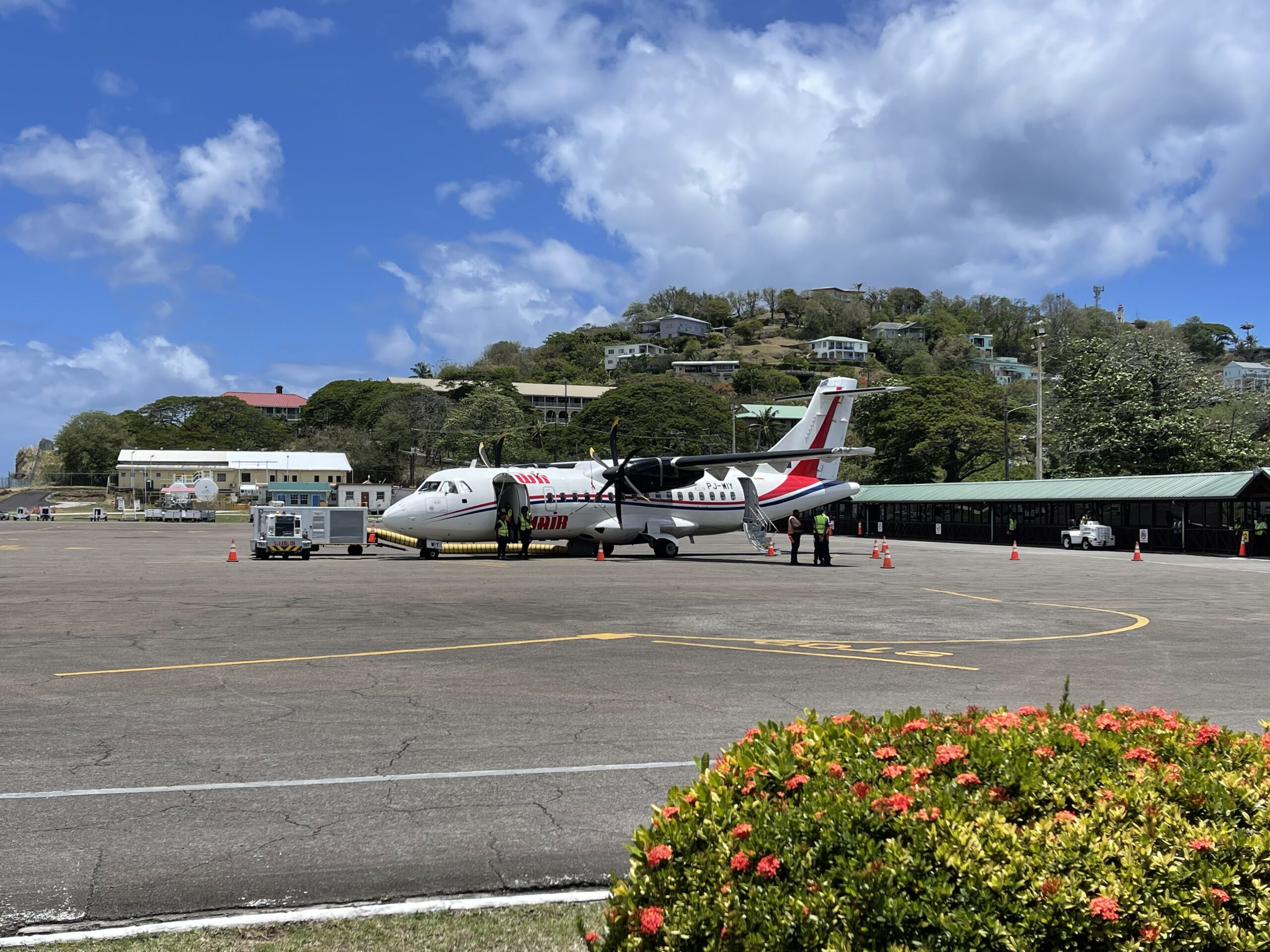
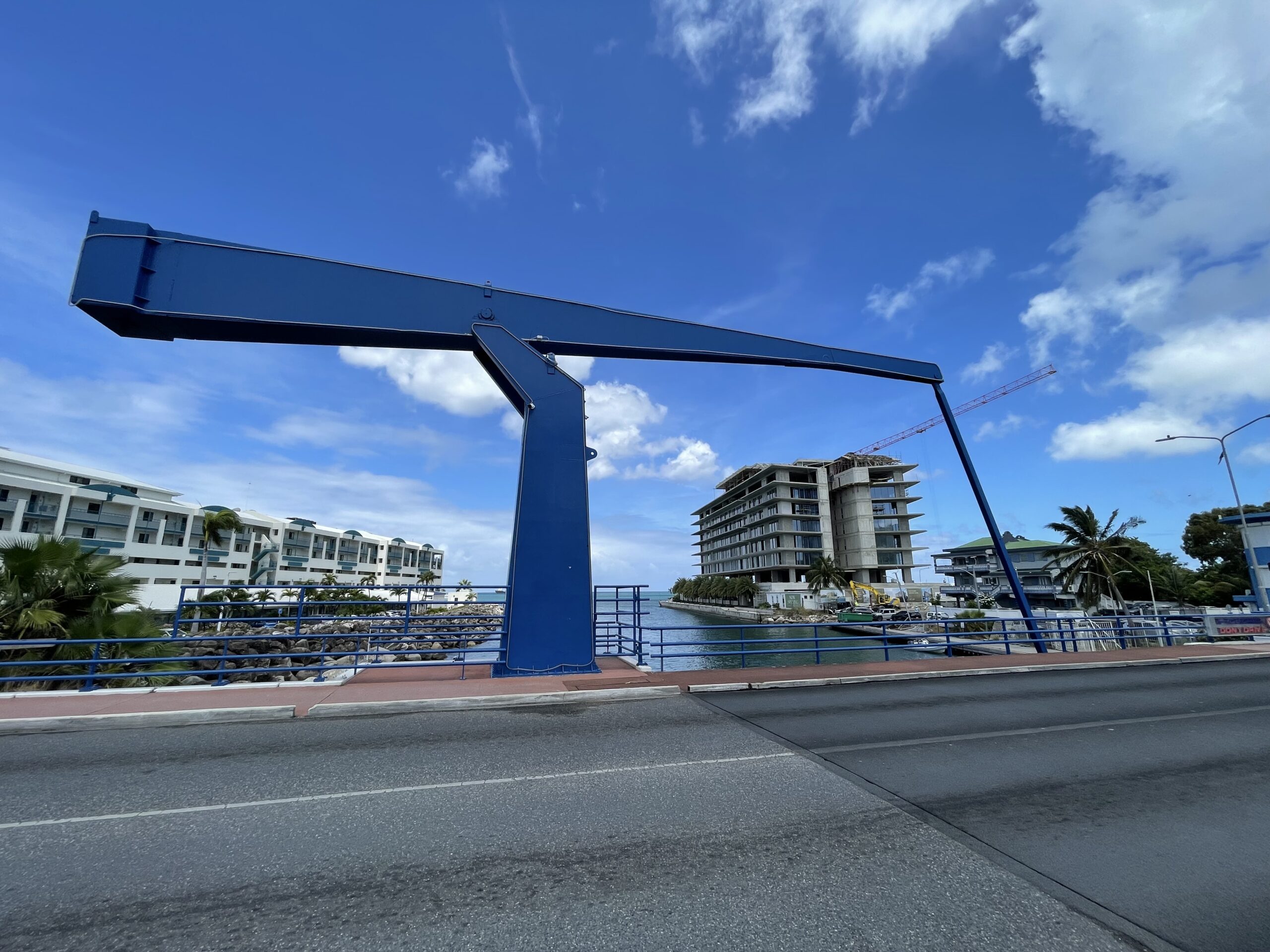
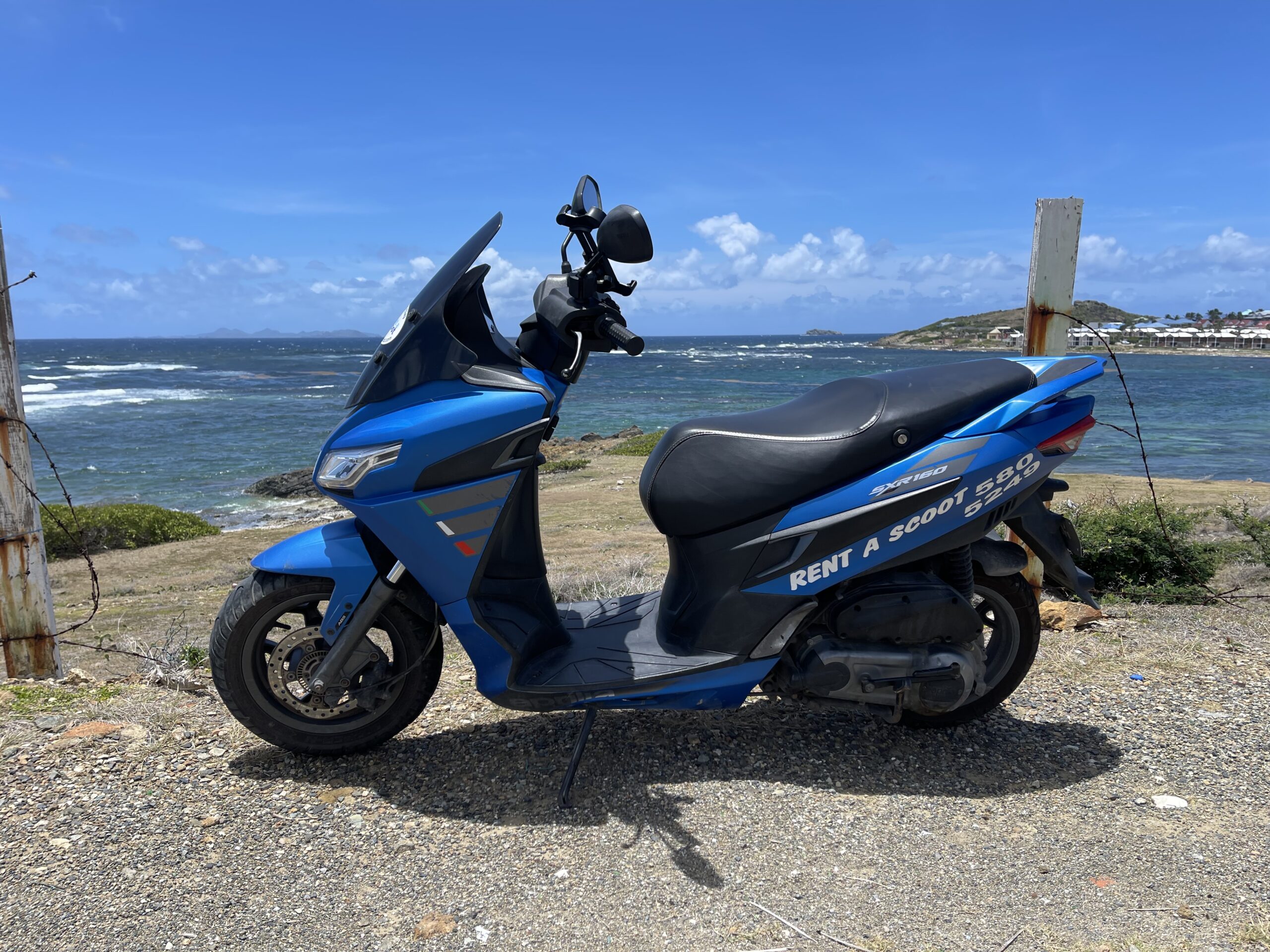
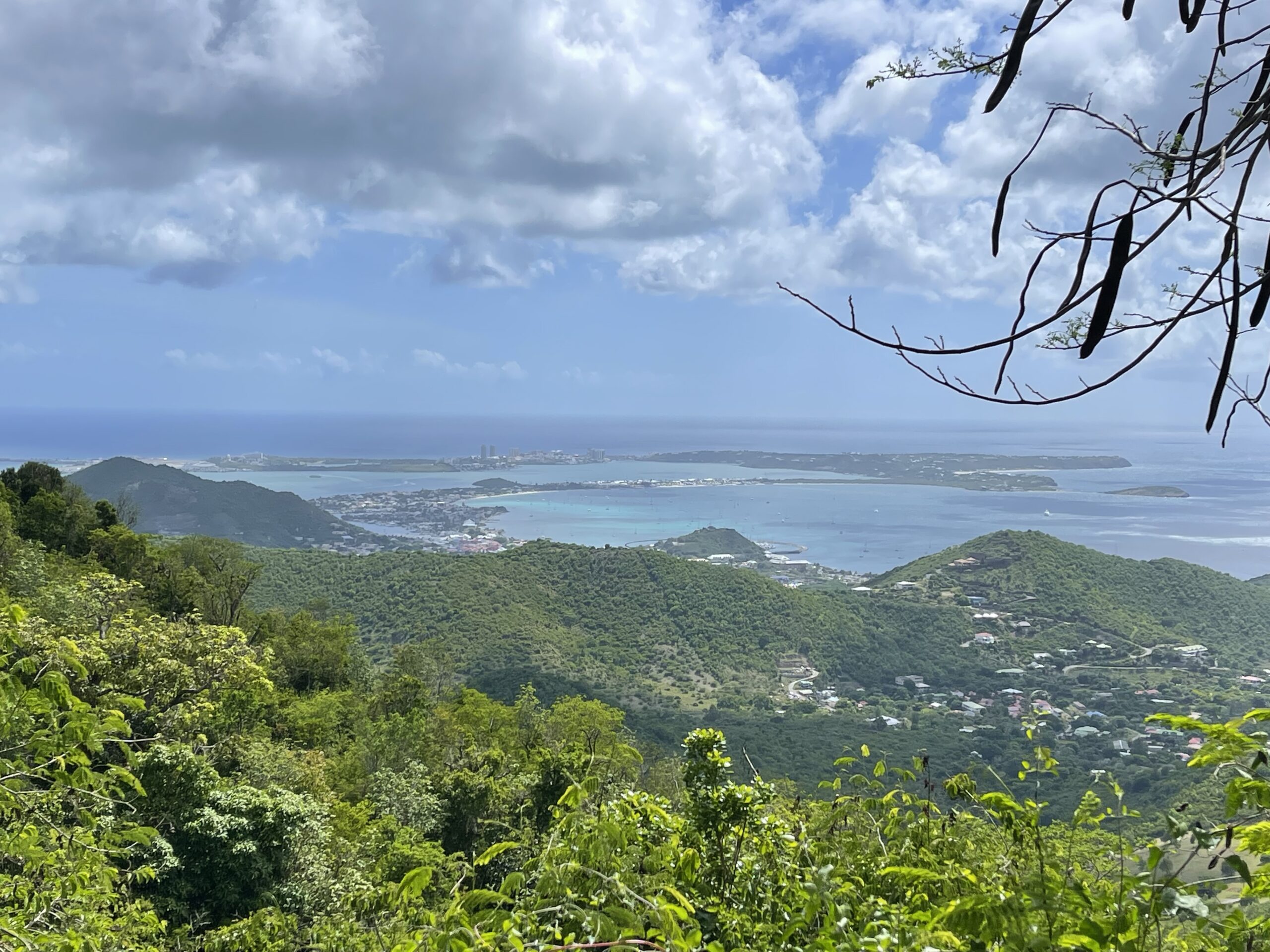
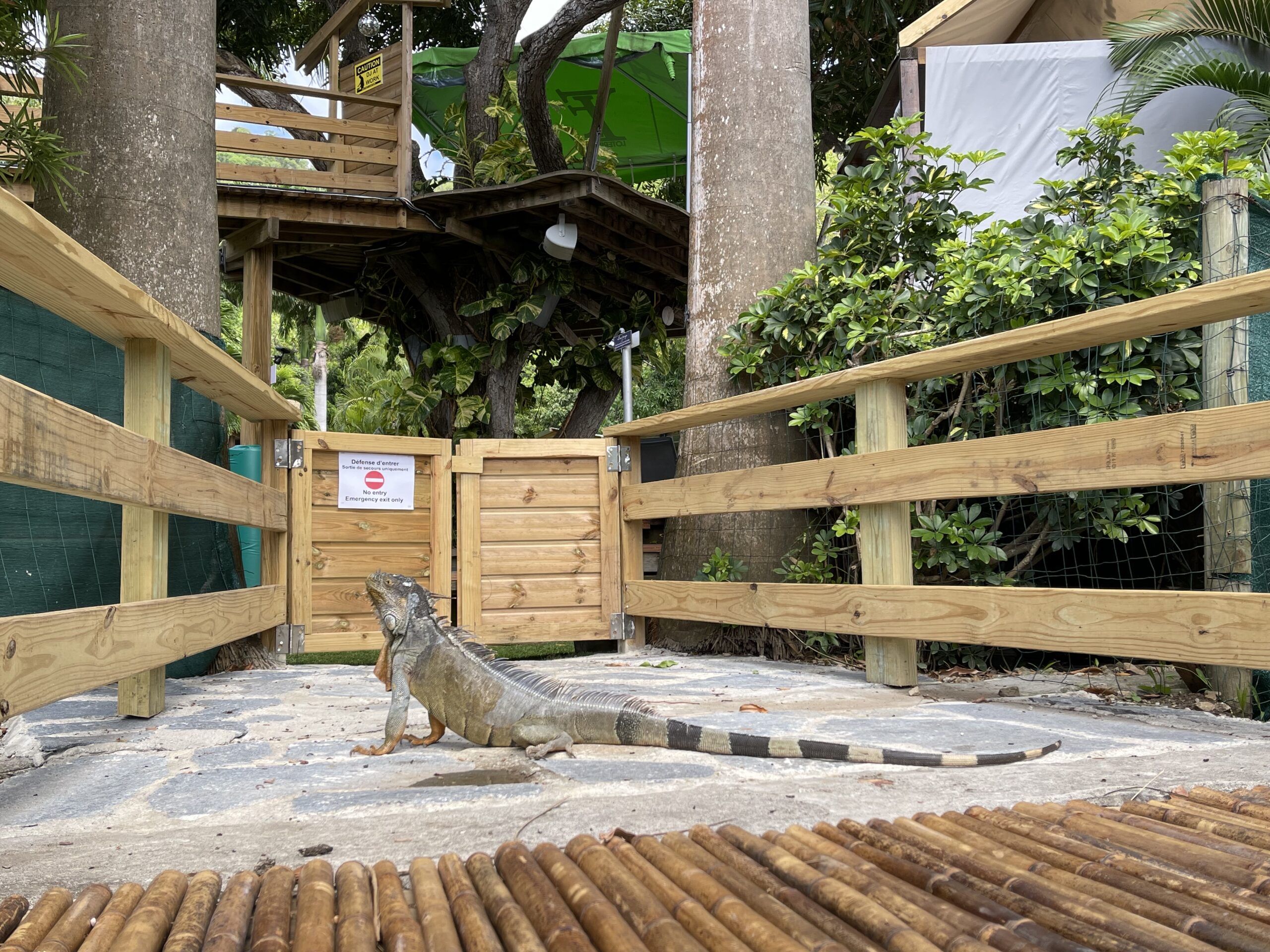
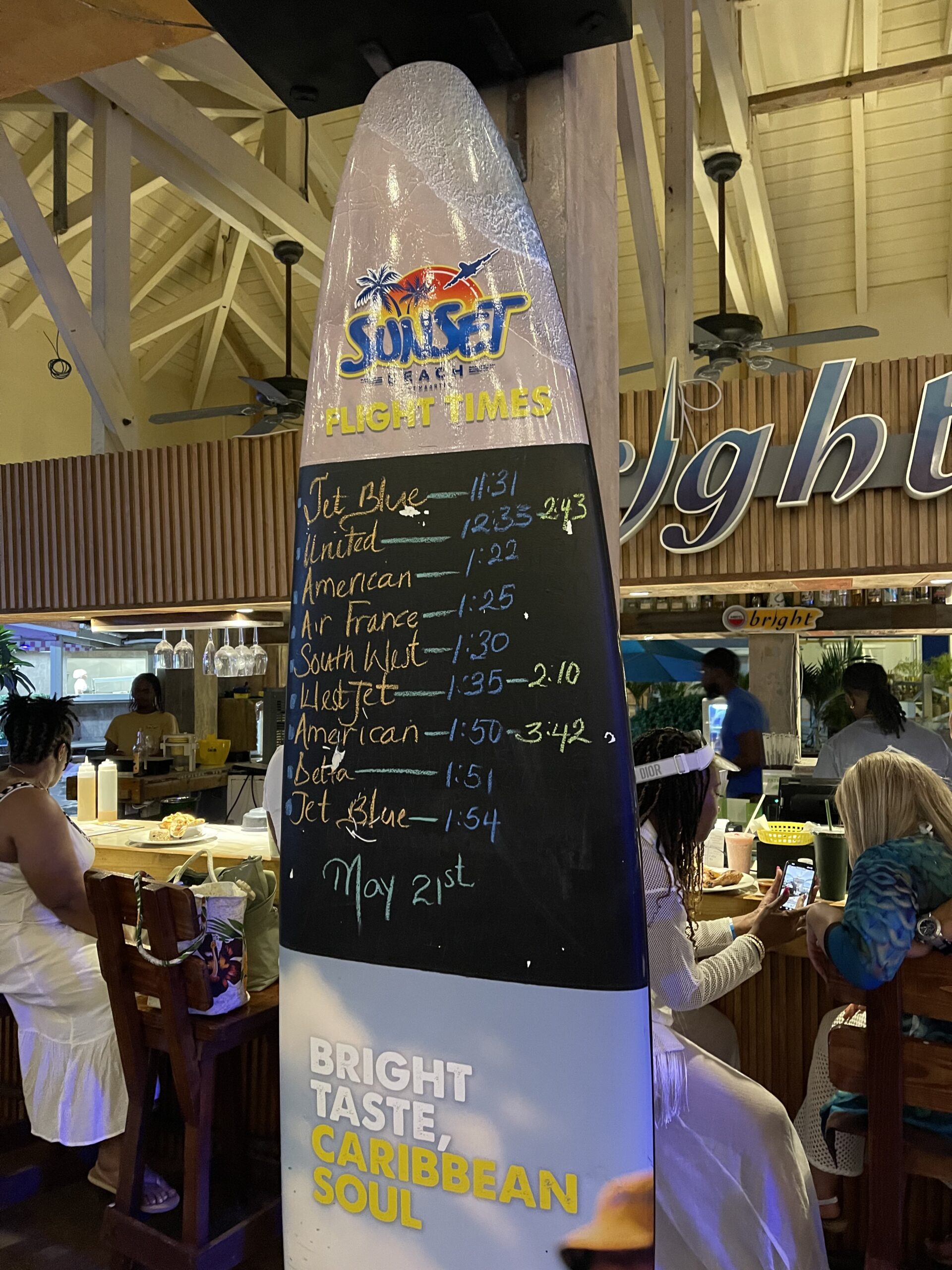
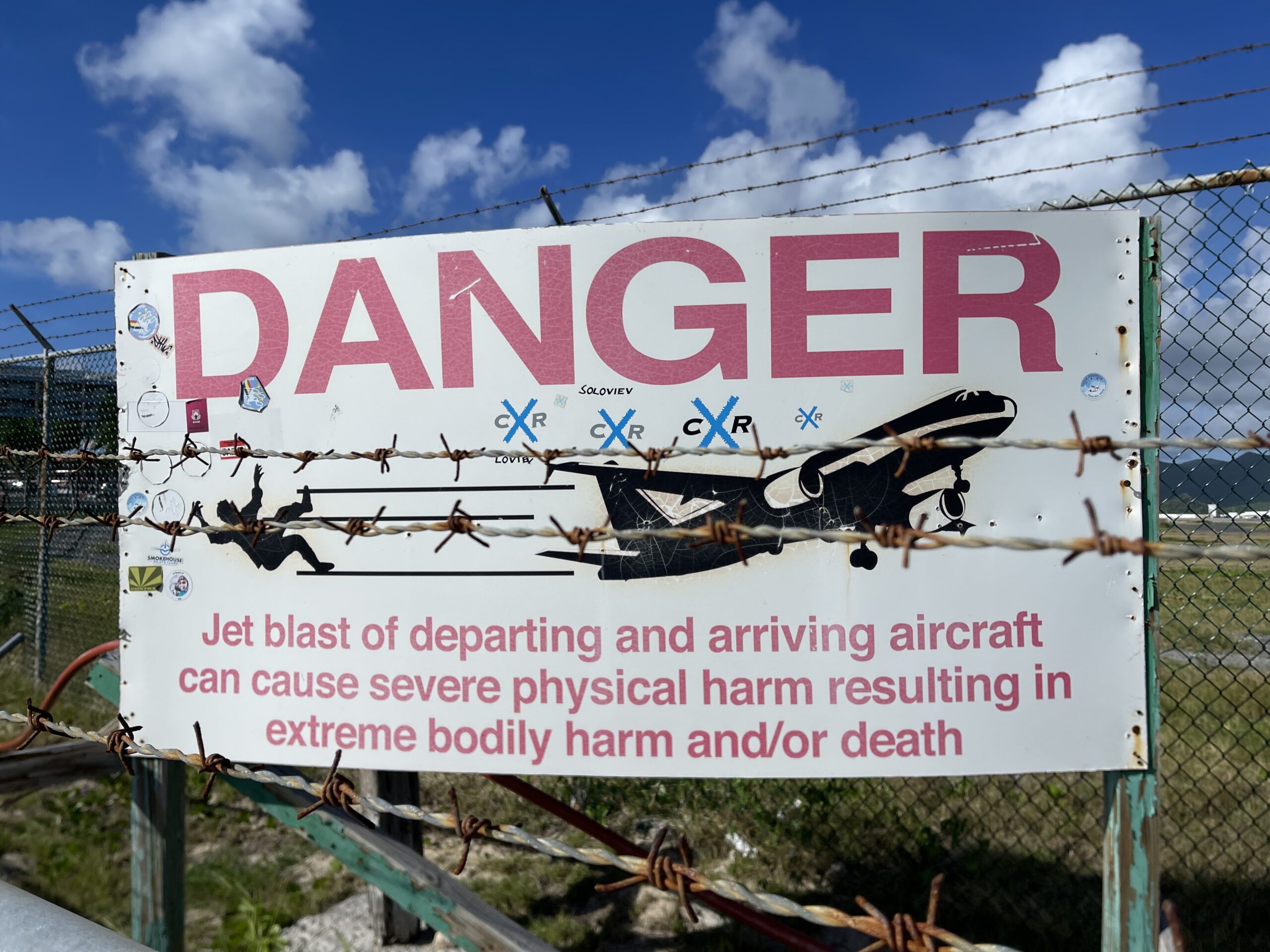
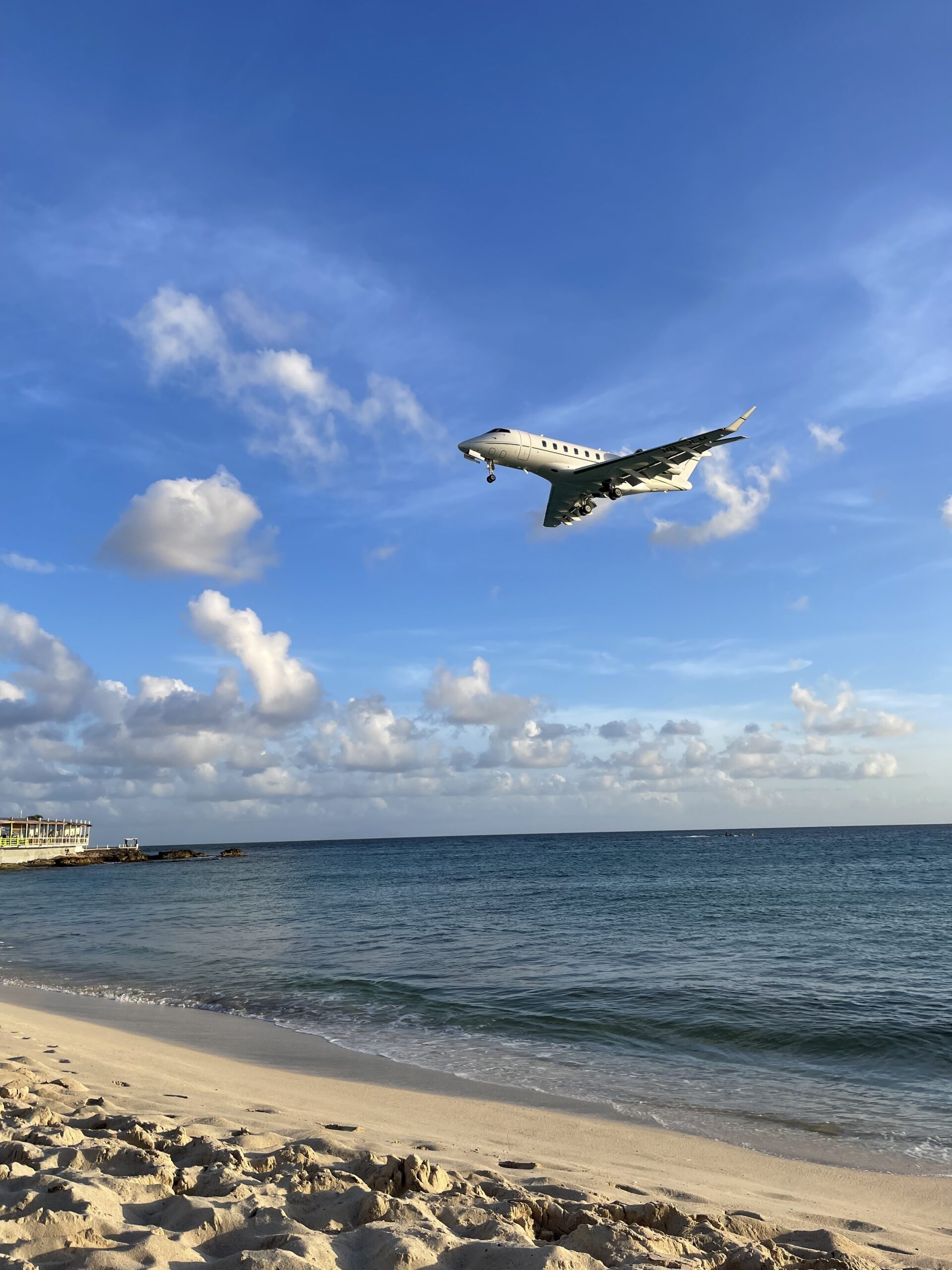
Like the flight from Martinique to Saint Lucia, for going to Sint Maarten I got to fly on a small turboprop aircraft operated by local airline. In fact, the flight included a stop in Saint Vincent before heading north to the small island of Sint Maarten. Although Sint Maarten is much smaller than Martinique and Saint Lucia, it is actually (politically) divided into a part under Dutch rule (Sint Maarten) and another one under French rule (Saint Martin). I had one full day on the island before heading on to the US, and again, I thought the best way to get around would be on a two-wheeled vehicle. This time, I rented a (compared to the Yamaha) somewhat more powerful 160 cc Aprilia scooter. Going for some lunch in Grand Case and going up to Pic Paradis made for a relaxing final day in the Caribbean. I’d loved to do some zip lining at Lotterie farms but unfortunately I got there too late in the day. This meant I got to spend a couple more hours than I’d intended on Maho beach, the famous beach right next to Princess Juliana Airport. Essentially the runway of the international airport begins right next the beach (and a road going along the fence), so incoming planes fly very low over spectators’ heads. Plus, when a plane gets ready for take-off, beachgoers and drivers better stay away from the jet blast!
So long Caribbean! It was a new and fun experience for me and I hope to be back to explore more…
In the next post, I will talk about my time in the western US visiting friends… stay tuned!